The line at the Painted Turtle counter moves fast most July evenings, paddleboards racked outside, a dog tied to the bike stand, somebody's kid dripping lake water on the concrete while their parent orders a Chicago dog and two waffle fries. It looks like every other beachside snack bar in Minnesota. For its first two full summers, it wasn't. The restaurant sitting on the western shore of Lake Nokomis could sell you a walleye sandwich beer-battered to a golden crisp. It could not, under any circumstance, sell you the beer that battered it.
That's not a quirky footnote. It's the clearest window into how this stretch of South Minneapolis actually runs, and it explains more about daily life around the lake than any list of restaurant openings could.
The rule nobody expected to enforce
When the Painted Turtle took over the old Sandcastle space in the summer of 2023, the plan was straightforward: locally sourced, made-from-scratch food, working with Twin Cities names like Kramarczuk's Sausage Company and the Herbivorous Butcher, plus a beer and wine list to go with the lake view. A couple of weeks before opening, owner Sam Carter learned that wasn't happening. Minnesota liquor law requires a licensed premise to have three walls and a roof. The open-air concession stand at Nokomis Main Beach had neither, at least not in the configuration regulators needed. A complaint filed against the previous concessionaire brought the requirement into focus right as the new operator was hanging its sign.
"Seems a little bit comical, and a little bit annoying to us," Carter told CBS Minnesota that summer, standing next to a menu that listed beer as an ingredient but not an option.
The workaround for that first season was a temporary permit allowing up to 12 days of beer and wine sales a year, with the requirement that most of the proceeds go to charity. It kept the lights on and gave lakegoers a few scattered weekends of cold drinks, but it wasn't a fix. It was a patch on a building that didn't yet meet the letter of state law.
The fix, and why it took until 2025
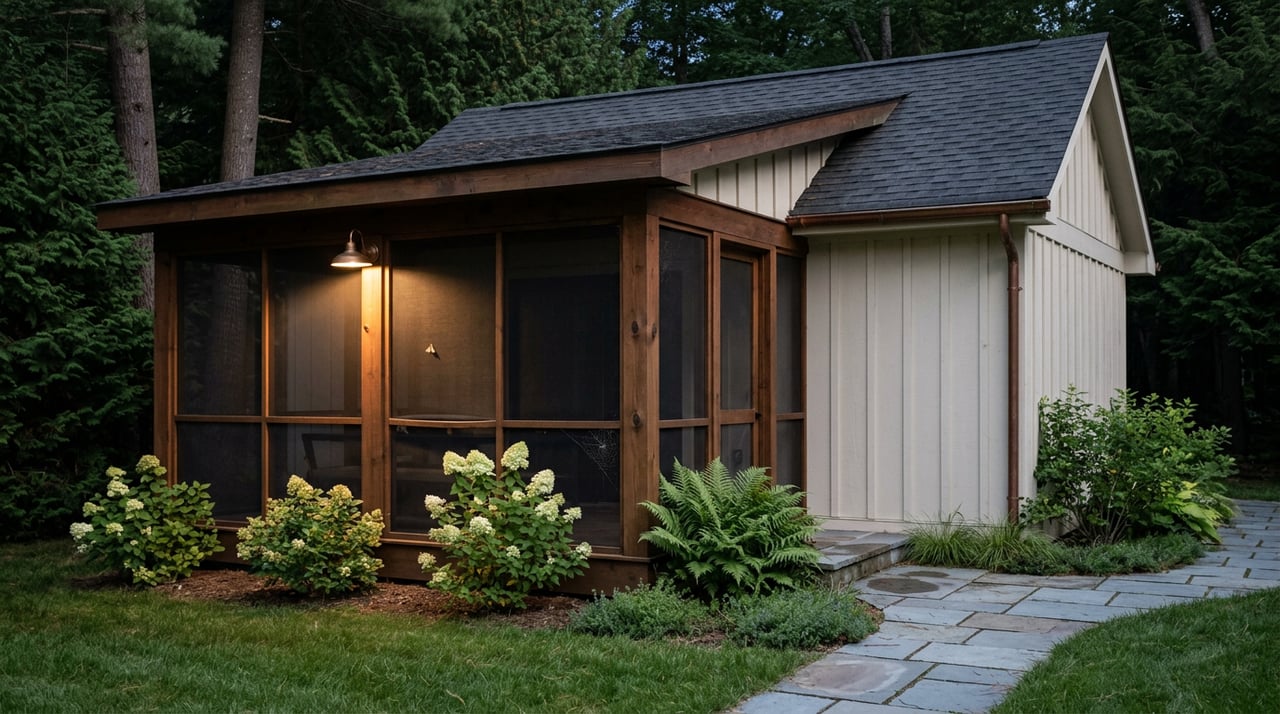
The actual solution was structural. Over the winter of 2024 into early 2025, the Painted Turtle built a three-season covered seating area, the kind of enclosure that satisfies the walls-and-roof rule without turning a beach snack bar into an indoor restaurant. The restaurant tentatively targeted a May 12, 2025 opening for its first full season serving beer and wine legally, alongside an updated food and ice cream menu built around a partnership with Minnesota Dairy Lab for scoop flavors.
That's the part of the story most visitors never hear, because by the time they're standing in line this summer, the covered porch is just there, blending into the beach scene like it always existed. It didn't exist for the restaurant's first two seasons. It's the product of one small business owner spending two years working a state statute instead of ignoring it, then paying to build his way around it.
The same pattern, one court over
Walk from the beach up to the Lake Nokomis Community Center and you'll find six pickleball courts that tell a version of the same story on a shorter timeline. When they opened in 2023, they were the first dedicated pickleball courts in the entire Minneapolis park system, arranged in two rows of three with a shaded center alley where players rack their paddles to hold a spot in rotation. The Minneapolis Park and Recreation Board marked the opening with a celebration on a Wednesday in July, complete with a short lesson from a local instructor and a friendly tournament featuring local elected officials.
Nothing about that is glamorous. It's a park board adding courts because enough people asked for them, then throwing a modest party to mark the occasion. But it's the same civic muscle at work: something residents wanted, built through the actual channel that builds things here, not around it.
Thirty years of knowing your order
A few blocks up the hill, Nokomis Beach Coffee has been doing its own version of patient, unglamorous consistency for three decades. It's privately owned, not a Starbucks, and regulars will tell you the two names behind the counter, Dennis and Mary, start making your usual order before you've said a word. The shop is known locally for one particular detail: a canoe planter out front, the kind of fixture that only accumulates meaning because it's been sitting in the same spot for years while the neighborhood grew up around it.
That's not a business chasing trend cycles. It's a fixture that earned its place the same way the Painted Turtle's porch did, by sticking around long enough for the neighborhood to build habits on top of it.
The garden one volunteer built by hand
If there's an origin story for this whole pattern, it belongs to Vicki Bonk. In 1995, she began working on a habitat concept for the hillside southeast of the Nokomis Community Center. What exists today, the Nokomis Naturescape, is actually three connected pieces:
- The Naturescape itself, lakeside prairie and shoreline plantings using only species native to the area, installed starting in 1998
- The Monarch Mile, a string of boulevard gardens along 50th Street that began in 2017
- The Gateway Garden, a sunlit prairie patch maintained by neighborhood volunteers
The whole corridor is certified as an official Monarch Waystation, and it's largely kept alive by volunteer gardeners who show up on a rotating schedule of Tuesday evenings and Saturday mornings through the growing season. Bonk's own line about the project sums up the whole neighborhood's operating logic: yard by yard, you can make a world of difference.
The payoff arrives every September. This year's Minneapolis Monarch Festival, the 18th annual, lands on Saturday, September 12, from 10 a.m. to 4 p.m., staged just east of the community center in the footprint bounded by Minnehaha Parkway, Woodlawn Boulevard, and Nokomis Parkway. It's presented jointly by the park board, the Nokomis East Neighborhood Association, and the University of Minnesota Monarch Lab, and it exists because a garden that started as one resident's hillside project in 1995 turned into something worth throwing a citywide festival around.
What actually holds this lake together
None of these stories are about a developer swooping in with a master plan. A restaurant owner rebuilt his own structure to meet a liquor code he didn't write. A park board added courts because the demand was obvious and the space was available. A coffee shop earned its regulars over 30 years of showing up. A volunteer spent three decades turning a bare hillside into a certified butterfly habitat that now anchors an annual festival drawing crowds from across the city.
That's the actual mechanism behind Lake Nokomis's summer rhythm. It isn't imposed from outside. It gets built, patiently, by people who already live here and decided something was worth the effort. If you're already one of those people, that's probably not news to you. It might be the first time you've seen it laid out as the throughline it actually is.
If you're weighing what it means to put down roots in a neighborhood like Hale, that pattern is worth more than any amenities list. A place where residents build the things they want, one covered porch or one hillside garden at a time, tends to stay that way. Doro Real Estate works this corner of South Minneapolis regularly, and we're glad to talk through what a lake-adjacent home here actually costs to own, maintain, and enjoy, whenever you're ready for that conversation.