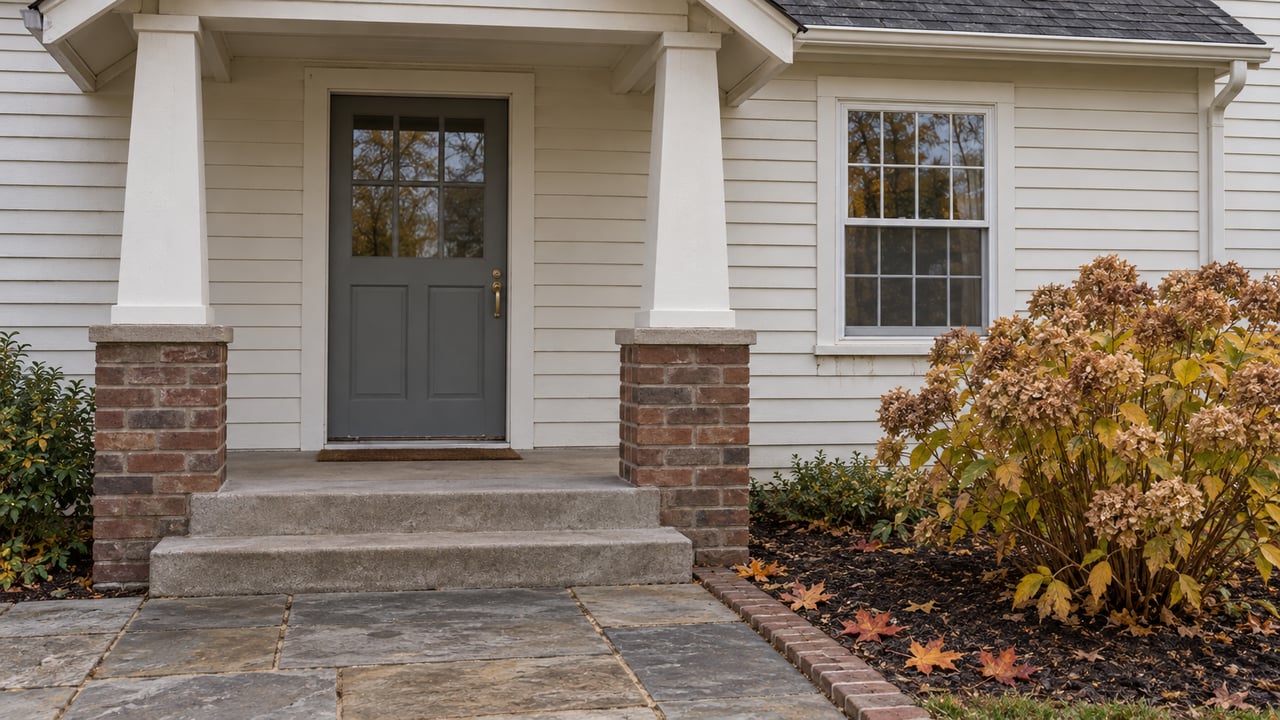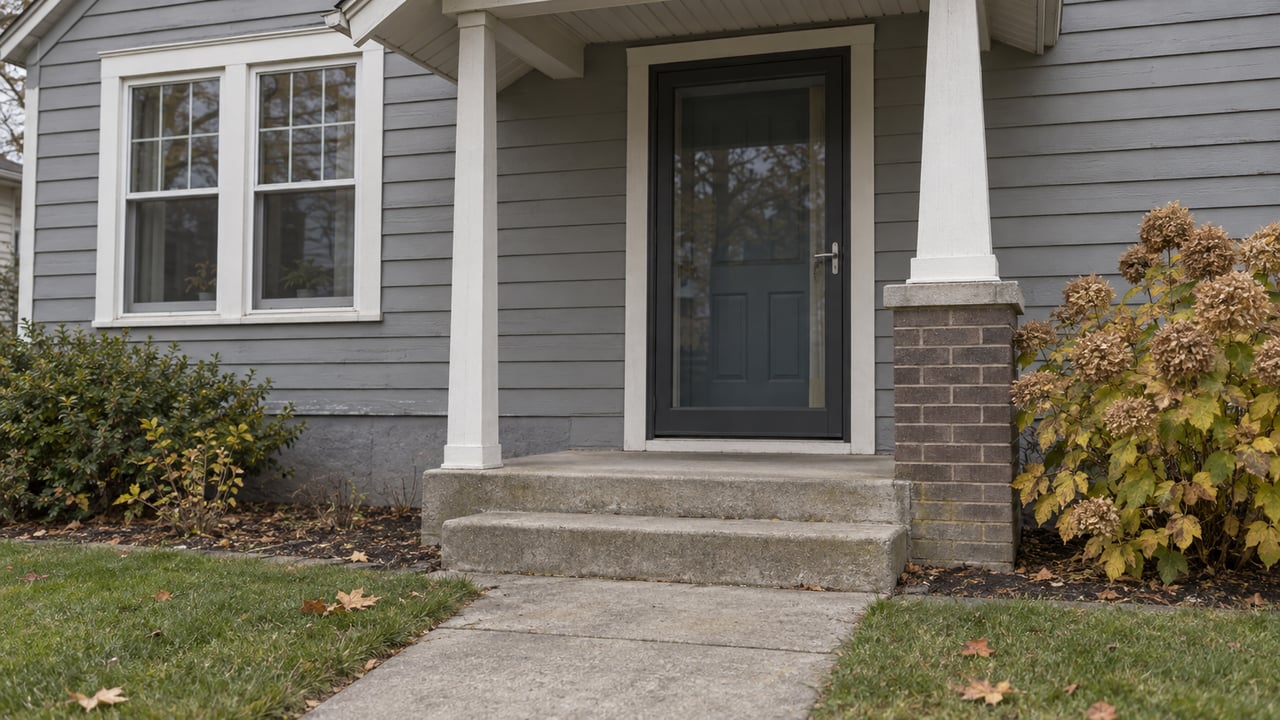
Before a buyer in Hale sees your kitchen, they can see the city's report on your house. Minneapolis requires a Truth in Sale of Housing evaluation, usually called TISH, before a single-family home, duplex or townhouse can be shown. The report also has to be on display for potential buyers at showings.
The report ranks problems by danger, not by repair cost. A missing valve on a boiler goes on the required-repair list. A worn-out roof does not. Over the past year, that difference mattered less in Hale because homes sold above asking. The September 2026 numbers point to a fall market where the line between required and noted gets more attention.
The List That Must Be Fixed Is Mostly Small Parts
The city's handout of common required repairs reads like a hardware store receipt. Items it flags include:
- a missing 9D check valve with atmospheric valve on a boiler, which is a backflow valve
- a missing or broken pressure relief valve on a boiler, or a missing or broken temperature and pressure relief valve on a water heater
- an improperly vented furnace, boiler or water heater flue
- exposed wiring in an open junction box where someone could get shocked
- an uncapped gas line, or improper gas piping
- an open sewer line, open waste vent or open drain missing its trap
- a toilet leaking badly enough to rot the floor
- missing or improperly placed smoke and carbon monoxide detectors
Many of these fixes are small, but the permit rules vary from one item to the next. Taping or capping exposed wires and putting them back in a covered box needs no permit, and neither does replacing a GFCI outlet that won't trip. Replacing a boiler's pressure relief valve does need a permit. Flue work on a furnace or boiler can only be done by a licensed contractor, while a homeowner can pull the permit for a water heater flue. Smoke detectors can be battery-operated unless hardwired ones are already in place, and carbon monoxide detectors have to be within 10 feet of a sleeping room.
The city says plainly that the handout is not a complete list. Your evaluator's report decides what your particular house needs.
The Expensive Items Are Inspected but Not Required
The same handout lists what evaluators look at that "will not result in a required repair." Set side by side with the required list, it shows how the city weighs things:
| Often triggers a required repair | Looked at, but no required repair |
|---|---|
| Missing boiler backflow valve | Roofs |
| Missing pressure or T&P relief valve | Functional galvanized plumbing |
| Improper furnace, boiler or water heater flue | 30-amp or 60-amp service, if not tampered with or over-fused |
| Exposed, uncapped wiring | Chipped or peeling paint |
| Uncapped or improper gas line | Missing storm or prime windows or doors |
| Leaking toilet that rots the floor | Holes in walls or ceilings |
| Missing smoke or CO detectors | Torn carpet or broken tile |
Evaluators skip some things entirely. They don't inspect nonessential systems like wood stoves, fireplaces and air conditioners. They also don't test for asbestos, lead-based paint, formaldehyde or radon.
For a seller, this means the report can come back with only a few required items while the roof, the old electrical service and the galvanized lines go unflagged. The required list measures safety. It doesn't measure what a buyer expects to spend in the first five years. A buyer at your showing reads the whole report, though, not just the column that obligates you.
Then There's the Score on the Back Page
Minneapolis added an energy disclosure to TISH in 2020. According to the city's energy disclosure page, it gives the home a score from 0 to 100 based on attic and wall insulation, single-pane windows without storms, and the heating system. The city calls the score informational, and it requires no repairs. Reports generated after April 17, 2025 also include information on electrification opportunities.
Finance & Commerce reported on October 5, 2026 that more than 28,500 Minneapolis homes were sold with energy disclosures in the program's first four years. The citywide average score is 76. The disclosures found that two of every three homes lacked adequate insulation and one in two had an old or inefficient heating system. In the same story, city sustainability coordinator Bjorn Olson said homeowners with an energy score are "two to three times more likely" to go ahead with efficiency projects than those without one.
Owners who get a score are more likely to act on it, which suggests the score affects how buyers size up a house. A low score creates no legal obligation for the seller. It does give the buyer a ready-made list of upgrades, printed on a city form and sitting beside your listing photos.
Why September Made the Report Matter More
Here is Hale's market, from the Minneapolis Area REALTORS® Local Market Update for September 2026, current as of October 7, 2026:
| Hale | September 2025 | September 2026 | Rolling 12 months to Sept. 2026 |
|---|---|---|---|
| Closed sales | 5 | 4 | 44 |
| Median sales price | $565,000 | $438,000 | $505,000 |
| % of original list price received | 103.2% | 96.7% | 101.2% |
| Days on market until sale | 15 | 24 | 23 |
| Months supply of inventory | 1.1 | 1.5 | not reported |
Four sales in one month is a small sample, and MAAR warns that single months can look extreme for that reason. The rolling 12-month figure is the steadier one. Hale sellers received 101.2% of their original list price over the year ending in September 2026, down from 102.7% a year earlier.
Through most of the past year, Hale homes sold above their original list price, and buyers competing for one of only a handful of listings had little room to haggle over a pressure relief valve. In September 2026, homes sold below list and took 24 days instead of 15. Supply is still tight at 1.5 months, but buyers had more time with each listing. That extra time goes partly to reading the TISH report.
What Happens to Unfinished Repairs at Closing
Required repairs don't have to be finished before you sell. The city lets them move to the buyer through a set process:
- The evaluation finds required repairs, and the report is filed with the city.
- At closing, the buyer and seller both sign the city's Acknowledgement of Responsibility, and the buyer submits it within one business day after closing.
- The buyer has 90 days to complete the repairs and have them reinspected. After a successful reinspection, the city issues a Certificate of Completion. An extension request process is available.
If the seller already holds a Certificate of Approval, the acknowledgement form isn't needed.
So each required item gets settled in one of two ways. The seller fixes it, gets it reinspected, and lists with a cleaner report. Or the item goes into the contract and the buyer takes it on with a 90-day deadline. Under the city's reinspection guidance, reinspecting completed permit work carries no extra city fee, though missed appointments or repeat inspections can cost money. Evaluators set their own fees for reinspecting non-permit work, and contractors charge for their safety checks. Which route costs less depends on the item, the permit it needs, and how much leverage buyers have that month. The rules in this post are general information, not legal or financial advice, so confirm your own situation with your evaluator, a licensed contractor or an attorney.
The Timing Details Sellers Miss
Three rules shape the calendar. You hire a city-licensed evaluator who is not a city employee and sets their own price, so the cost varies. A pre-inspection you ordered yourself doesn't count as the city's disclosure report. And the TISH report is valid for two years or one sale, whichever comes first. If you want the report finished and any easy fixes done before your first showing, the evaluation belongs near the top of your prep list.
FAQ
Does a bad energy score mean I have to add insulation before selling? No. The city treats the energy disclosure as informational and requires no repairs based on it.
Will the evaluator check for radon or asbestos? No. The city's handout lists toxic substances, including radon, asbestos and lead-based paint, as items evaluators don't look at.
Can I use my report again if my listing expires? A report is valid for two years or one sale.
If you're planning a Hale sale for this winter or next spring, we can go through your TISH report line by line with you. That means sorting the quick fixes from the permitted work, and deciding which items to finish before showings and which to handle in the contract. Doro Real Estate also coordinates the contractors and reinspections so the report buyers read reflects the house you've kept up. Start your concierge consultation.