Buying your first home should feel exciting, not overwhelming. If you want a quiet neighborhood with quick access to Minneapolis and daily conveniences, Bronx Park in St. Louis Park is worth a close look. In this guide, you’ll learn what homes here look like, what current prices mean for your budget, how to navigate inspections for mid‑century houses, and the exact steps to move from browsing to closing with confidence. Let’s dive in.
Bronx Park at a glance
Bronx Park is a small, residential pocket of St. Louis Park with tree‑lined streets and a calm feel. You are close to major routes for easy commuting, with I‑394 and Highway 100 nearby. The neighborhood offers local green space plus short drives to shopping and food options at The Shops at West End.
You will also find the namesake city park right in the neighborhood. The Bronx Park facility includes a play structure, basketball courts, paved trails, ball fields, and picnic areas. St. Louis Park Public Schools serves this area, and you can review enrollment details and district information on the St. Louis Park Public Schools site.
Homes and styles you’ll see
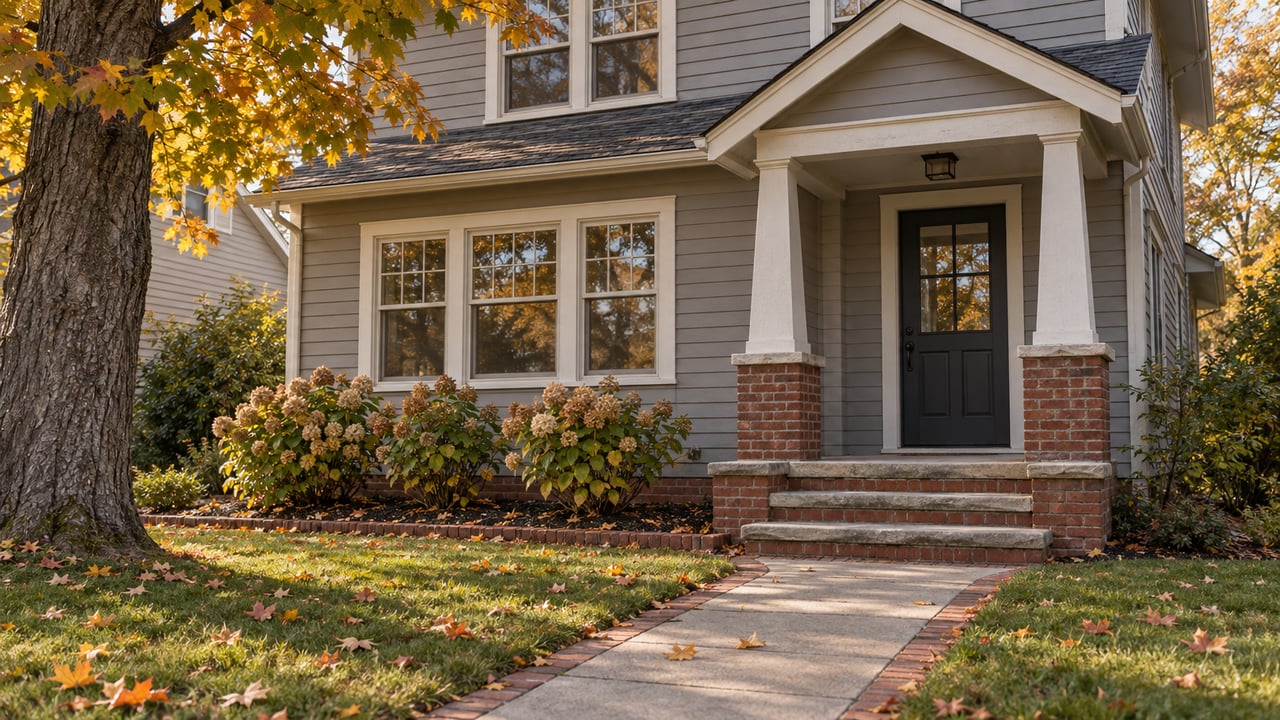
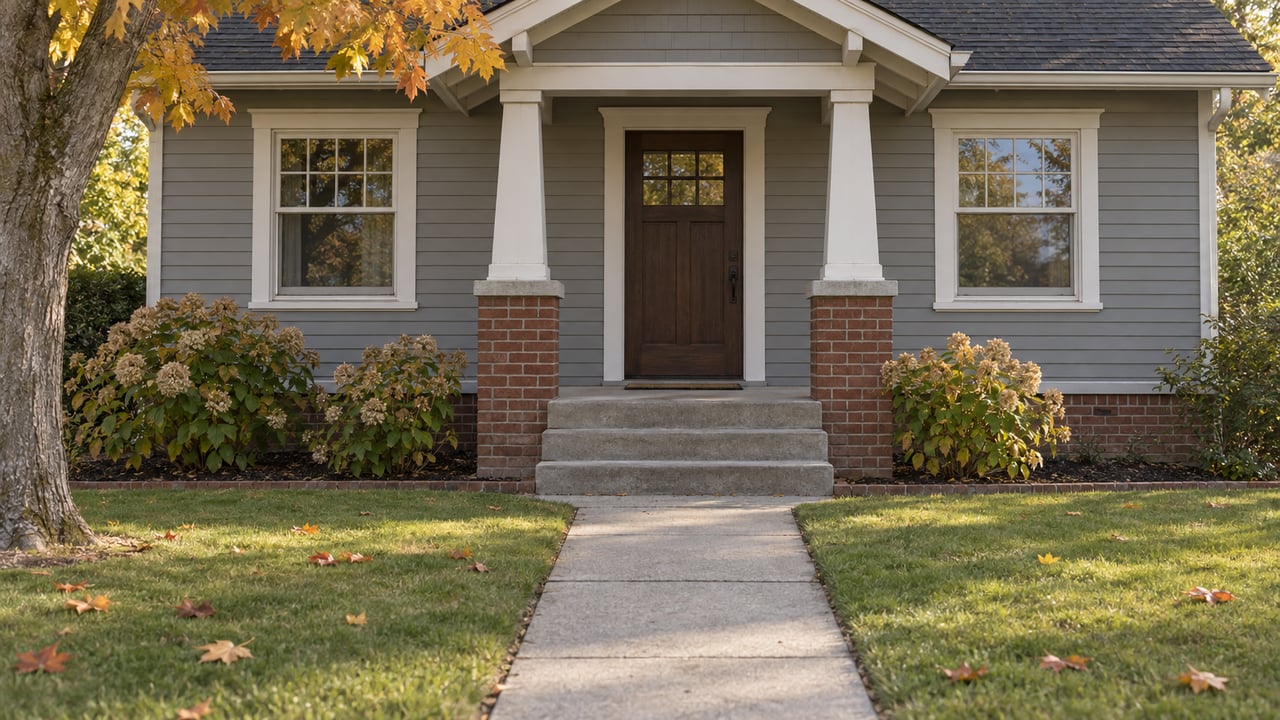
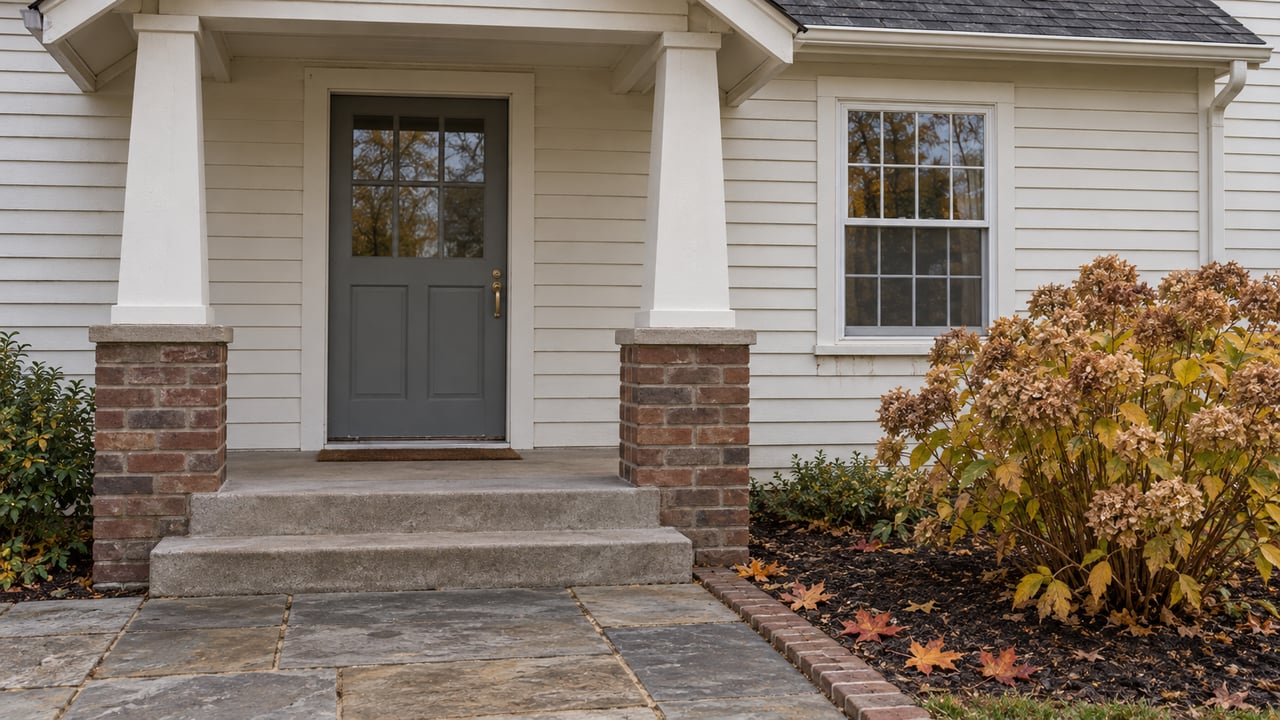
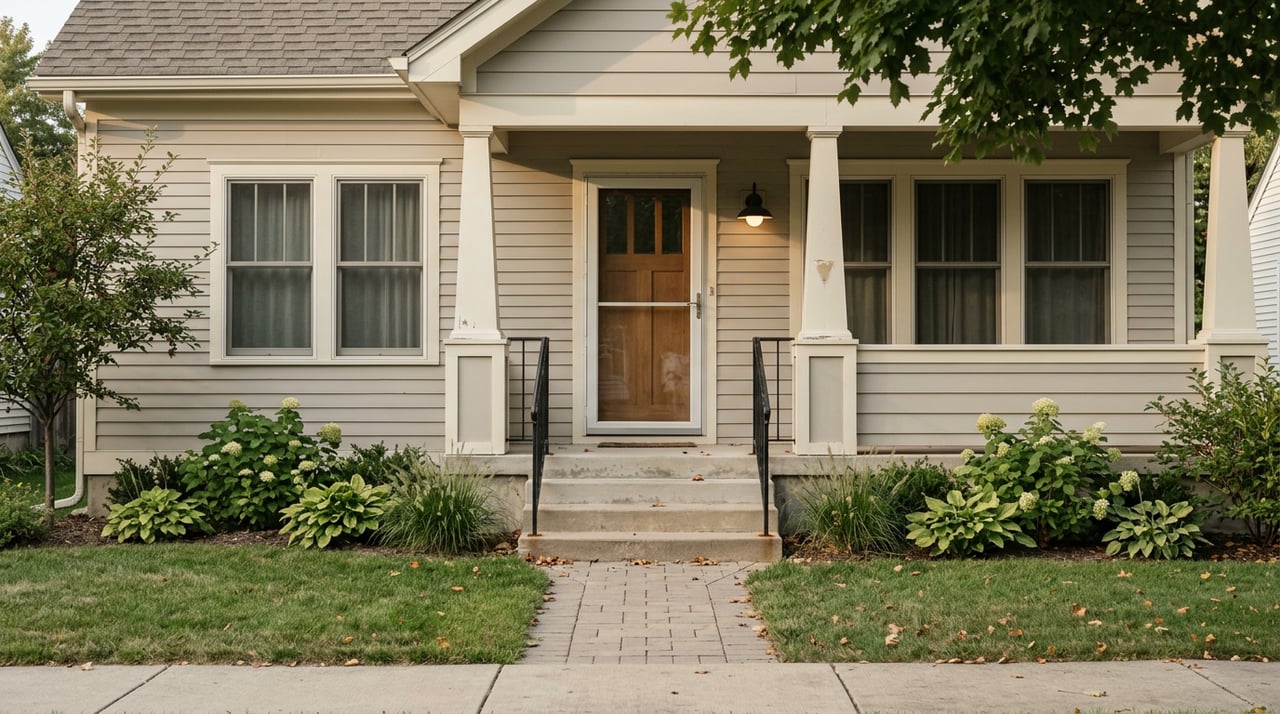
Most Bronx Park homes were built in the 1940s and 1950s. You will see one‑story ranches, bungalows, and story‑and‑a‑half layouts, plus a few newer infill or fully remodeled properties. Many of these homes are “right‑sized” for first‑time buyers, with efficient floor plans and manageable lots.
Inside, expect classic mid‑century features. Original hardwood floors are common, along with smaller kitchens and baths that some owners choose to update over time. Finished basements vary. You may also find value‑add opportunities where a cosmetic refresh can deliver equity.
Prices and what to expect now
As of January 2026, neighborhood market data shows a median sale price around $385,000. Zillow’s neighborhood value index showed an average value near $380,700 in mid‑2025. Active listings and recent sales in Bronx Park often land in the $250,000 to $450,000 range, depending on size, condition, and location on the block.
What this means for you:
- Be ready. Desirable homes can move quickly when priced well. A strong pre‑approval and quick showing schedule can give you an edge.
- Model the total monthly payment. Include principal and interest, homeowners insurance, and property taxes when you set your comfort range.
- Expect trade‑offs. Updated homes at the top of the range can reduce near‑term projects. Lower‑priced options may reward you with equity if you tackle updates over time.
Commute and transit options
Commuting from Bronx Park is practical by car or bus. Many drivers report roughly 10 to 25 minutes to reach central Minneapolis, depending on the route and time of day. If you prefer transit, the nearby Louisiana Avenue Transit Center provides a park‑and‑ride hub with express and local routes that connect to downtown and the broader Metro Transit system.
Parks, schools, and daily life
For outdoor time, the neighborhood’s Bronx Park is a convenient go‑to for walks, playground breaks, or pick‑up games. Other nearby parks and community gardens add more options for fresh air and recreation.
Everyday errands are straightforward. Most residents head to The Shops at West End and surrounding centers for groceries, dining, a movie, and retail. For school information such as boundaries, programs, and enrollment timelines, review the St. Louis Park Public Schools district site. Use neutral data points and your own priorities to guide decisions that fit your household.
Key inspections for older homes
Because many Bronx Park homes are mid‑century, plan a thorough inspection. Here are the must‑check items first‑time buyers should prioritize:
- Lead‑based paint. Homes built before 1978 can contain lead hazards. Review the EPA’s guide, Protect Your Family From Lead in Your Home, and consider a lead test during your inspection contingency, especially if children will live in the home.
- Electrical system. Older service panels, ungrounded outlets, or dated wiring are not unusual in mid‑century houses. A licensed electrician can scope any flagged concerns after the general inspection.
- Plumbing. Galvanized supply lines can reduce water pressure and may need replacement over time. If there is any history of slow drains or backups, consider a sewer‑scope camera inspection.
- Roofing, windows, and insulation. Roofs older than about 20 years may be approaching replacement. Single‑pane windows and lower insulation levels are common in this era and can affect comfort and energy bills.
Budgeting for upgrades
Actual costs depend on scope and contractor bids, but these planning ranges can help you prepare:
- Kitchen remodels. National averages for kitchen remodels commonly range from about $14,500 to $41,500 depending on size and finishes. See cost ranges on HomeAdvisor’s kitchen remodel page.
- Roof replacement. Asphalt shingle roofs often fall in a broad range from the low $5,000s to the low $15,000s based on size and pitch. Review ranges on HomeAdvisor’s roofing cost guide.
Smart rule of thumb: set aside a reserve for near‑term fixes, plan for mid‑term system replacements, and phase larger remodels. Your inspection, plus a couple of quick contractor walk‑throughs during the contingency window, will sharpen these numbers fast.
Step‑by‑step roadmap to buy in Bronx Park
Use this simple path to move from search to keys in hand:
- Set budget and get pre‑approved. Work with your lender to model a monthly payment that includes principal, interest, insurance, and estimated property taxes.
- Walk the neighborhood. Visit at different times of day. Stroll the Bronx Park playground and fields, drive the nearby streets, and test your commute or a bus route from the Louisiana Avenue Transit Center.
- Hire a local expert. Choose an agent who tracks St. Louis Park inventory closely and can compare Bronx Park to nearby pockets on price, lot size, and update patterns.
- Write strong offers with smart protections. Include a general inspection and, for pre‑1978 homes, plan for a lead test using the EPA guidance on lead safety. Add a sewer scope or electrician review if the home’s age and history suggest it.
- Check taxes for the property. Review the parcel’s tax history with Hennepin County. For context on how city, county, and school levies work together, see the county’s property tax rate breakdown.
- Explore down‑payment help. Hennepin County has offered homebuyer assistance programs that can reduce upfront costs. Funding changes over time, so start with the county’s Homebuyer Assistance resources and complete any required education early.
- Negotiate with data. If inspections uncover issues, request repairs, credits, or price adjustments. Get contractor estimates on major items before you remove contingencies.
First‑time buyer programs to know
If you have solid income but need help with cash to close, check county resources. Hennepin County’s homebuyer assistance page outlines programs that have offered down‑payment help, closing cost support, and required homebuyer education. Steps typically include:
- Review eligibility and funding status on the program page.
- Complete approved homebuyer education if required.
- Gather documents early. Lender pre‑approval, income verification, and savings statements help keep timing on track.
- Coordinate with your lender and agent so assistance funds are lined up before final underwriting.
Program availability, income caps, and maximum assistance change, so check current details before you write an offer.
Taxes and long‑term budgeting
Property taxes vary by assessed value and the combined city, county, and school levies. For context, Hennepin County publishes a property tax rate breakdown that explains how bills are calculated. When you evaluate a specific home, ask your agent to pull the parcel’s current tax estimate and model total housing cost that includes taxes, insurance, utilities, and a maintenance reserve.
How Doro Real Estate helps first‑time buyers
Buying your first home should feel supported at every step. With deep Twin Cities expertise and a concierge approach, our team helps you:
- Target the right homes faster. We monitor St. Louis Park inventory daily and flag strong value in Bronx Park.
- Win competitive offers without guesswork. We tailor price and terms to the micro‑market and your comfort level.
- De‑risk inspections and upgrades. We help you prioritize tests, coordinate contractor walk‑throughs, and understand realistic budgets.
- Plan for the future. From move‑in to long‑term ownership, you get a responsive partner who can advise on improvements and next steps.
Ready to take the next step in Bronx Park? Start with a friendly, no‑pressure consult. Connect with Doro Real Estate to map your plan.
FAQs
Is Bronx Park a good fit for first‑time buyers who commute to Minneapolis?
- Yes. You get quick access to I‑394 and Highway 100 plus express and local bus options from the Louisiana Avenue Transit Center. Many drivers report about 10 to 25 minutes to central Minneapolis, depending on traffic.
What price range should I expect for a starter home in Bronx Park?
- Recent neighborhood data shows many sales in the $250,000 to $450,000 range, with a median near $385,000 as of January 2026. Exact pricing depends on size, condition, and location on the block.
What should I watch for when inspecting a 1940s or 1950s house?
- Prioritize lead‑based paint checks for pre‑1978 homes using the EPA’s lead safety guide, then evaluate electrical panels, plumbing supply lines, roof age, windows, and insulation levels.
How do property taxes work in St. Louis Park?
- Taxes are based on assessed value and combined city, county, and school levies. Review the county’s property tax rate breakdown and check the parcel’s specific tax statement when you find a home.
Are there local programs that help with the down payment?
- Yes. Hennepin County has offered homebuyer assistance programs, and many require homebuyer education. See current options and steps on the county’s Homebuyer Assistance resources.