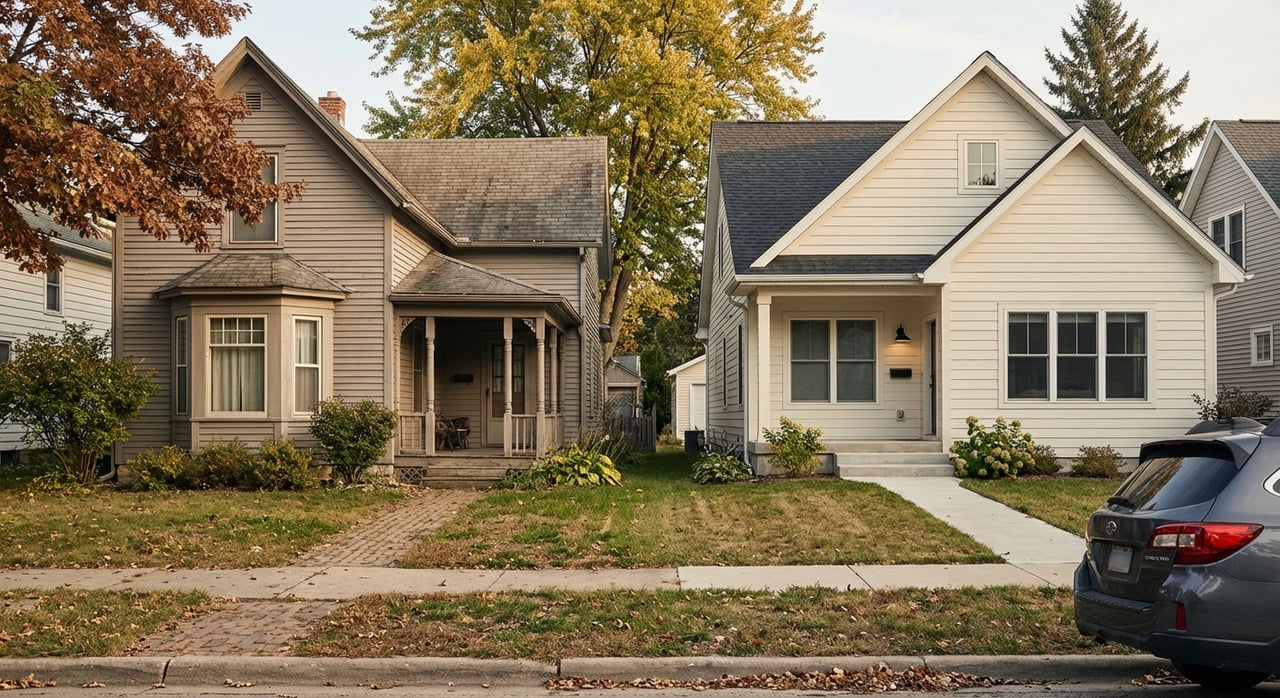
Torn between a story-filled Victorian near the St. Croix and a turnkey new build with every modern comfort? You are not alone. Many Stillwater buyers weigh character against convenience as they plan a move. In this guide, you will learn how historic homes and newer construction in and around Stillwater compare on cost, maintenance, rules, and lifestyle. You will also get a simple checklist to move forward with confidence. Let’s dive in.
Stillwater market snapshot
Stillwater’s market remains active with tight inventory in popular segments. Redfin reports a median sale price of about 628,752 dollars (Jan 2026, Redfin). Zillow’s typical home value is lower at about 428,568 dollars (Dec 2025, Zillow ZHVI). Different data sets use different methods, so you should confirm your target price range with current MLS data before you write an offer. The key takeaway is that well-located homes still draw interest, especially move-in-ready options.
What “historic” means here
Where historic homes cluster
Stillwater’s core character centers on its compact downtown and riverfront. The Downtown Commercial Historic District is locally designated and also listed on the National Register. Exterior changes in this area often require design review and permits. Beyond downtown, you will find residential pockets with historic fabric across North Hill, South Hill, and areas documented in city neighborhood surveys.
Styles and features you will see
You will encounter Greek Revival, Italianate, Queen Anne and other Victorian-era forms, plus early 20th century revivals. Common features include tall narrow windows, detailed millwork, decorative trim, wrap porches, and stone or brick foundations. Inside, original staircases and woodwork are often highlights. If you value authentic materials and craft, these homes deliver it in spades.
Rules and incentives basics
In designated areas, certain exterior work can trigger a design permit. That may include window changes, storefront or porch alterations, and sometimes paint or demolition. If you plan visible exterior updates, contact the City’s Community Development and Heritage Preservation staff early. Minnesota also offers state and federal historic rehabilitation tax-credit programs for qualifying work. These credits generally apply to income-producing or certified projects. Owner-occupied single-family homes usually do not qualify for the federal commercial rehabilitation credit. If you think a project could qualify, speak with Minnesota SHPO before any work begins.
Older homes: risks and updates
Systems and safety priorities
- Electrical. Older Stillwater homes may have knob-and-tube or cloth-wrapped wiring and undersized panels. Insurers often require upgrades. If your inspection flags issues, bring a licensed electrician to price rewiring or panel replacement.
- Plumbing. You may see galvanized supply lines or cast-iron drains. Budget for partial or full updates, especially in turn-of-the-century houses.
- HVAC and insulation. Many historic homes need modern HVAC and added insulation to meet today’s comfort goals. The National Park Service recommends reversible, minimally invasive upgrades to protect historic materials.
- Lead-based paint. Homes built before 1978 may have lead paint. Federal RRP rules require certified contractors and lead-safe practices for work that disturbs painted surfaces. Testing and hiring an RRP-certified firm is the safe move.
- Radon. Minnesota’s average radon levels are higher than the U.S. average. The Minnesota Department of Health recommends testing every home in the state, and radon disclosures apply in real estate transactions. Plan for testing during the inspection period and mitigation if needed.
Envelope and site considerations
- Roofs, gutters, drainage. Historic gutters and older roofs demand attentive maintenance. Poor grading or clogged gutters can push moisture into basements and masonry.
- Masonry and foundations. Tuckpointing and stabilization are common needs, especially on limestone or rubble foundations. Matching historic mortar and using appropriate methods matter.
- Flood risk near the river. Portions of Stillwater border the St. Croix. FEMA updated countywide Flood Insurance Rate Maps in 2012. Many areas are outside high-risk zones, but low-lying parcels can fall in Special Flood Hazard Areas. Always check the property’s FEMA map designation and discuss flood insurance and elevation requirements.
Typical projects and constraints
- Windows and woodwork. Preservation guidance favors repair of original windows with weather-stripping and storm panels over wholesale replacement when windows are character-defining. This can be cost-effective and aligns with standards.
- Modern living and accessibility. Opening floor plans or adding accessible baths is possible but takes careful design to retain character and secure approvals where overlays apply.
Cost and contractor approach
Every historic home is unique, so skip one-size-fits-all numbers. Use a three-step approach:
- Get a full home inspection, plus targeted evaluations for electrical, plumbing, masonry, and radon.
- Pull at least two contractor estimates for each priority item.
- Build a renovation budget with a contingency for surprises.
If you plan to use historic tax incentives for an income-producing rehab, applications often must be submitted before work starts. Time your steps carefully.
New builds and newer options
Where new homes are located
New construction is more common just outside Stillwater in master-planned communities, including nearby Lake Elmo. Larger builders operate collections that market modern plans, warranties, and community amenities. Some lots fall within the Stillwater school footprint, so confirm boundaries if that is important to you. Within Stillwater, you will also find select newer developments and age-restricted or cooperative options, such as a 62-plus cooperative building opened in 2022 near downtown. These offer modern systems and low-maintenance living closer to the historic core.
Benefits you get
- Modern systems out of the box. Newer builds deliver current insulation, HVAC, and wiring standards, often with builder warranties.
- Fewer surprises. Many buyers choose new homes to avoid immediate renovation projects and unknowns.
- Today’s floor plans. Open layouts, attached garages, main-floor bedrooms, and flexible office spaces are common and popular.
Tradeoffs to weigh
- Price and premiums. Newer homes can carry per-square-foot and lot premiums, plus upgrade costs. Always compare the advertised starting price with a typical lot and finish package.
- Character and setting. New neighborhoods favor consistency and amenities over the patina and mature trees of older streets. Proximity to downtown Stillwater is less common in large subdivisions.
Decision guide: which fits you
Use these decision points to match your needs with the right home type.
Budget and resale targets
If you want predictable near-term costs, focus on newer construction or recently renovated homes. If you love historic character and can invest time and budget into updates, a historic home can be a rewarding choice. Confirm current pricing with MLS data since aggregator figures vary by method and date.Maintenance tolerance and timeline
If you need move-in readiness on a short timeline, prioritize newer builds or fully renovated historic properties. If you enjoy projects and plan a longer stay, historic homes let you phase work.Aesthetics and lifestyle
If original millwork, porches, and walkable access to Stillwater’s historic core appeal to you, look in established areas like North Hill, South Hill, and near downtown. If you want an open plan, garage, and low-maintenance systems, target newer construction in adjacent communities. Verify school district boundaries if schools matter to your decision.Rules and programs
If you expect to change a facade, windows, or porches in a designated overlay, plan for design review and permits. If your project could qualify for historic tax incentives on an income-producing property, contact Minnesota SHPO early so you meet application timing rules.Site checks to complete
Verify any flood zone designation through FEMA maps and discuss insurance. Test for radon during the inspection period, then plan for mitigation if levels are high.
Buyer snapshoots
The character seeker
You want a one-of-a-kind home with original details and proximity to the riverfront scene. You are comfortable budgeting for electrical or plumbing updates and plan phased improvements with careful design. Focus on historic areas near downtown and the hill neighborhoods. Build in time for review if exterior changes are planned.The convenience first mover
You prefer modern systems, efficient layouts, and fewer unknowns. You value a builder warranty and flexible spaces for work or guests. Focus on newer builds in nearby master-planned communities or select infill options within Stillwater for low-maintenance living closer to town.
Quick buyer checklist
- Pull a current MLS snapshot for your target neighborhoods and date it so you track changes.
- Order a full home inspection plus specialty checks for electrical, structural or masonry, chimneys, and radon.
- For historic properties with planned exterior changes, contact City Heritage Preservation staff early to confirm design-review steps and permits.
- For riverfront or low-lying parcels, run a FEMA FIRM parcel lookup and ask about flood insurance costs and elevation requirements.
- Gather at least two bids for major systems and separate estimates for preservation-sensitive work like window restoration or matching trim.
- If exploring historic tax credits for an income-producing rehab, speak with Minnesota SHPO before you begin work.
How Doro can help
Choosing between historic charm and a new build is easier with a local, hands-on team. Doro Real Estate can help you confirm live MLS trends, shortlist neighborhoods, and compare total costs between renovation and new construction. We will connect you with trusted inspectors and contractors, and if you decide to hold a property, our integrated property management can support you after closing. Planning a larger project or exploring income-producing rehab options? Our development advisory can help you scope timelines and next steps.
Ready to find the right fit for your lifestyle and budget? Start your concierge consultation with Doro Real Estate.
FAQs
What is the current Stillwater price trend?
- Redfin shows a median sale price near 628,752 dollars (Jan 2026), while Zillow’s typical value is about 428,568 dollars (Dec 2025). Confirm your budget with current MLS data.
Do Stillwater historic homes need special permits?
- In designated districts or overlays, many exterior changes require design review and permits. Contact the City’s Community Development and Heritage Preservation staff early in your planning.
Can I get historic tax credits on my house?
- Minnesota’s state and federal credits mainly apply to qualifying income-producing or certified projects. Owner-occupied single-family homes usually do not qualify for the federal commercial rehabilitation credit. Confirm eligibility with Minnesota SHPO before any work.
Is radon a concern in Stillwater homes?
- Yes. Minnesota’s average radon levels are higher than the national average. Test during the inspection period and plan for mitigation if needed.
Where are most new builds near Stillwater?
- New construction is more common in nearby master-planned communities, including Lake Elmo, with modern plans, warranties, and amenities. Confirm school boundaries if that is important to you.
Are riverfront homes in flood zones?
- Some low-lying parcels near the St. Croix may be in Special Flood Hazard Areas. Check FEMA Flood Insurance Rate Maps and discuss insurance and elevation requirements before you buy.