Want a walkable, low‑maintenance home right on Lake Minnetonka’s edge? If you are eyeing a condo or townhome in downtown Wayzata, you are not alone. Buyers love the ability to lock the door, head to dinner or the Lakewalk, and leave yard work to the association. In this guide, you will learn what living here looks like day to day, which buildings and amenities to expect, how costs compare to a single‑family house, and the key questions to ask before you buy. Let’s dive in.
Why downtown Wayzata
Lakewalk and shoreline access
Downtown Wayzata’s lakefront has been transformed by the Panoway project, including a roughly 1,200‑foot Lakewalk and expanded public docks that connect Lake Street to the water. The improvements make year‑round shoreline access easier and more inviting. You can stroll the boardwalk, meet friends on the plaza, or pull up by boat at transient docks. To see how Panoway came together and what it includes, read the city’s recap of the Panoway Lakewalk grand opening. The city also maintains a public beach and a municipal marina next to downtown, outlined on the Wayzata Beach and Marina page.
Walk‑to dining and errands
The Lake Street, Indian Mound, Superior, and Ferndale corridor is Wayzata’s most walkable pocket. From many buildings, you can be at coffee, dinner, or the Lakewalk in a block or two. Summer is lively with visitors and lake traffic. Winters feel calmer, but the boardwalk and restaurants keep the area active.
Who condo or townhome living fits
Downsizers
If you want main‑level living without daily upkeep, a downtown condo or townhome can be a fit. Look for elevator access, in‑unit laundry, heated parking, and storage. Many buildings offer guest parking, club rooms, and secure entry for peace of mind. You gain proximity to medical services, shopping, and dining, with snow removal and exterior maintenance handled by the HOA.
Busy professionals
You get a true lock‑and‑leave lifestyle with short walks to restaurants and the Lakewalk. Full‑service buildings may include fitness rooms, package rooms, and controlled access. If you travel often, confirm package handling and after‑hours support. Also note that summer weekends bring more activity downtown, which many residents enjoy.
Pied‑à‑terre and seasonal owners
A smaller condo near the lake can be the perfect home base. If that is your goal, check HOA rules on minimum occupancy, guest registration, and any rental caps. Some associations limit short‑term leasing. Ask early so the building matches your plans.
Building types and amenities
Waterfront condos
Lakeside or lake‑view buildings offer larger floor plans with balconies, heated underground parking, and storage. A handful sit within a block of the water, giving you easy access to the Lakewalk and marina amenities.
Boutique buildings
Smaller, full‑service properties in the core often include rooftop decks, club rooms, and limited guest parking. The scale feels private, and the finishes tend to be high end. For a sense of what a newer, amenity‑forward building provides, browse the features at Meyer Place at Ferndale.
Townhomes near downtown
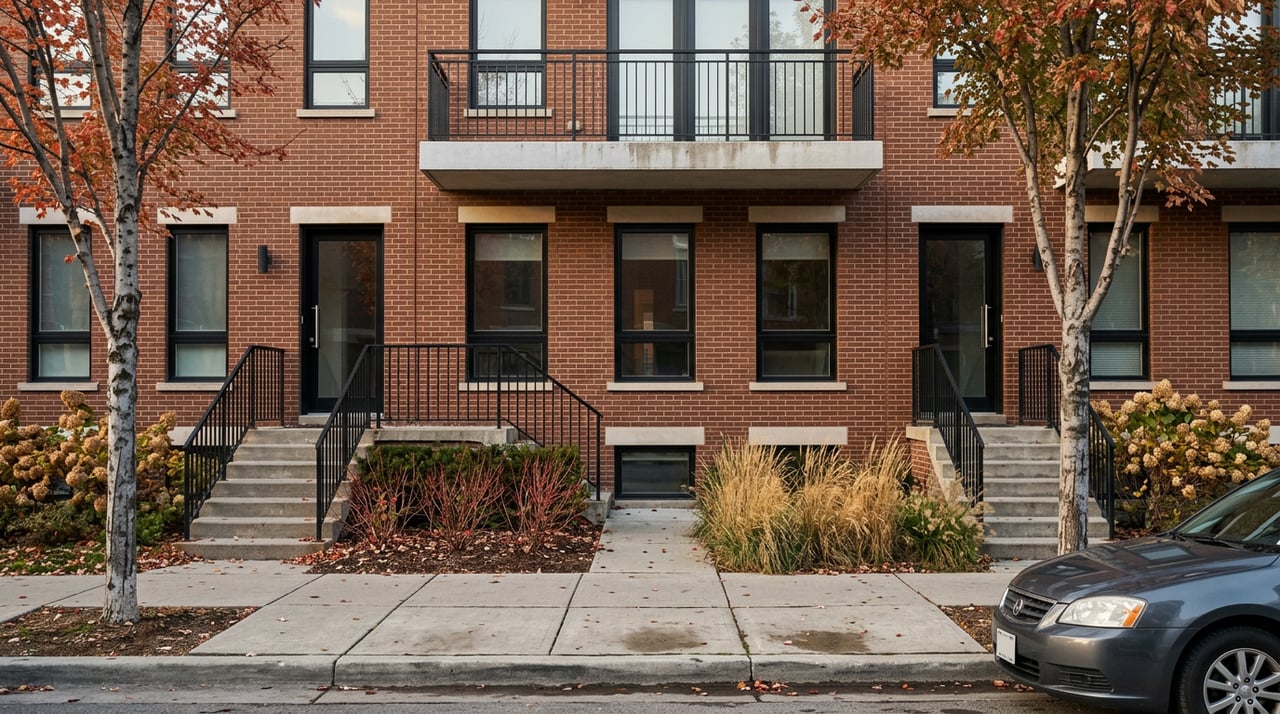
Courtyard or enclave townhomes a short walk from Lake Street offer multi‑level layouts, attached garages, and association‑maintained exteriors. If you prefer a private entrance and a bit more space, townhomes can deliver that while keeping maintenance light.
Common amenities buyers value
- Parking: Most buildings include heated underground or tuck‑under parking for residents. Ask about stall count, assignment rules, and guest parking.
- Storage: Individual storage lockers and bike rooms are common. If you are downsizing, confirm cubic footage and location.
- Secure access and packages: Controlled entries and package rooms support a lock‑and‑leave lifestyle.
- On‑site spaces: Fitness rooms, club lounges, and rooftop decks provide social space without yard work.
- Services in the HOA: Exterior maintenance, landscaping, snow removal, trash, and common‑area insurance are typical, but each association is different. Always review the building’s specific coverage.
Boating and lake access basics
If regular boat access matters, understand how Wayzata’s municipal slips work. The city operates a 100‑slip marina. Slip permits are limited to Wayzata residents and awarded by annual lottery. Applications typically open in November and run into early February, with the lottery held on the first Tuesday in March. Only a handful of slips open each year, so winning a spot is a meaningful amenity but not guaranteed. Get details and current dates on the city’s Boat Slips page. Even without a slip, the Panoway’s transient docks expand day‑use options for visitors and residents arriving by boat, as highlighted in the city’s Panoway coverage.
What it costs
Wayzata is a small, high‑demand lakefront market where short‑term medians can swing. As an example, a December 2025 Redfin snapshot showed a median sale price around 1.35 million dollars for Wayzata. Zip‑level medians for 55391 in the same period ranged from the mid or high six figures to seven figures depending on mix. Because a few waterfront sales can skew small samples, always check the latest local report for current context.
HOA fees and what they cover
Monthly HOA dues vary widely by building age and amenities. Recent downtown examples range from roughly 200 dollars per month in a small, low‑service building to more than 1,800 dollars per month in waterfront, amenity‑rich properties. Higher fees often reflect heated parking, fitness rooms, common‑area utilities, and concierge‑style services. What the fee covers is building‑specific. Many associations include exterior or structure insurance via a master policy, common‑area upkeep, snow removal, landscaping, trash, and sometimes some utilities. You will still carry your own unit owner policy (HO‑6), personal property coverage, and pay property taxes.
For a primer on HO‑6 insurance and how it coordinates with a building’s master policy, see this overview from State Farm.
Monthly budget example
Below is a simple illustration to help you compare ongoing costs. Replace with your lender’s quotes and a building’s actual HOA documents before you decide.
- Single‑family example: 1.3 million dollar home. A common rule of thumb suggests budgeting about 1 percent of home value per year for maintenance. That is about 13,000 dollars per year, or roughly 1,083 dollars per month, not including taxes and insurance. Source: the 1 percent guidance summarized by The Balance.
- Condo example: 800,000 dollar condo with a 600 dollar monthly HOA. Exterior maintenance, snow removal, common insurance, and some utilities may be included, reducing your hands‑on upkeep. You will still budget for taxes, an HO‑6 policy, and any interior repairs.
This comparison highlights a common tradeoff: less private outdoor space and an HOA fee in exchange for predictable, outsourced maintenance and access to shared amenities.
Financing and resale factors
- FHA/VA approvals: Some loan programs require the condominium project to be approved at the building level. If you plan to use a VA loan, ask your lender early whether the project is VA‑approved or if an exception is possible. Learn more about VA condo requirements from The Federal Savings Bank.
- HOA health and resale: In a small market, buyers often focus on reserves, special‑assessment history, rental caps, and the share of owner‑occupied units. Buildings with clear reserve studies and transparent governance tend to inspire more confidence.
- Legal structure: Minnesota’s Common Interest Ownership Act (Chapter 515B) sets the framework for condo associations and owner rights. If you want background, review the statute on the Revisor of Statutes site. Your attorney and association documents will clarify how a specific building is set up.
What to ask on a tour
Use this checklist to get clear answers before you write an offer:
- Building basics: Year built, number of units and floors, elevator access, and available floor plans.
- HOA snapshot: Current monthly fee, reserve balance, recent or planned increases, history of special assessments, delinquency rate, and professional vs volunteer management. Ask for the most recent budget, reserve study, and 12 to 24 months of meeting minutes.
- Insurance: What the master policy covers (bare‑walls vs all‑in), the master deductible, and whether loss assessments could impact owners. Pair that with your HO‑6 coverage.
- Parking and storage: Number of resident stalls with the unit, assignment rules, and guest parking policies. Confirm storage locker size and location.
- Rules that affect lifestyle: Pet policies, rental caps, short‑term rental restrictions, right‑of‑first‑refusal, noise policies, and any exterior modification rules.
- Condition and capital plan: When were roofs, elevators, garage membranes, and piping last replaced? Are future projects budgeted?
- Boat and shore access: If boating is important, review municipal slip eligibility and the lottery timeline on the city’s Boat Slips page. Ask about alternatives like private marinas and how you will use transient docks.
- Financing fit: If you need FHA or VA financing, confirm whether the project has the necessary approvals.
Seasonality and daily‑life tips
- Summer brings visitors, events, and more lake activity. If you prefer quieter evenings, ask about window glazing, building policies, and interior unit location.
- Try the commute and the grocery run during a weekday and a summer Saturday to compare traffic and parking.
- If you plan to host often, pay close attention to guest parking on peak weekends and during events.
Next steps
If downtown Wayzata’s condo or townhome lifestyle fits your goals, your smartest move is to pair local market insight with a clear plan. We can help you target the right buildings, review HOA documents, model true monthly costs, and, for part‑time owners, coordinate property care through our integrated services. Start your concierge consultation with Doro Real Estate and we will make your next step easy.
FAQs
What makes downtown Wayzata ideal for condo living?
- You get quick access to the Panoway Lakewalk, walk‑to dining and shops, and association‑handled maintenance that supports a lock‑and‑leave lifestyle.
How do Wayzata municipal boat slips work for residents?
- Slip permits are limited to residents and awarded by annual lottery, with applications typically November to early February and the drawing on the first Tuesday in March; see the city’s Boat Slips page for details.
What amenities do Wayzata condos commonly include?
- Expect heated underground parking, storage lockers, secure entries, package rooms, fitness or club spaces, and sometimes rooftop decks, varying by building.
What do HOA fees usually cover in condos and townhomes?
- Many include exterior maintenance, landscaping, snow removal, trash, common‑area insurance, and sometimes certain utilities; always review the specific association documents.
How does HO‑6 condo insurance differ from the master policy?
- The master policy covers the building exterior and shared areas, while your HO‑6 covers interior finishes, personal property, and liability; see State Farm’s HO‑6 overview for basics.
Can I use a VA or FHA loan to buy a Wayzata condo?
- Possibly; many programs require the condo project to be approved at the building level, so check with your lender early about FHA or VA project approval.
What should I review in a condo association before I buy?
- Ask for the budget, reserve study, recent meeting minutes, special‑assessment history, rental rules, master insurance details, and management structure to assess risk and fit.
Are HOA fees worth it compared with single‑family upkeep?
- If you value low maintenance and shared amenities, HOA dues can replace variable yard and exterior costs; compare the fee to a 1 percent annual maintenance budget for a house to decide.