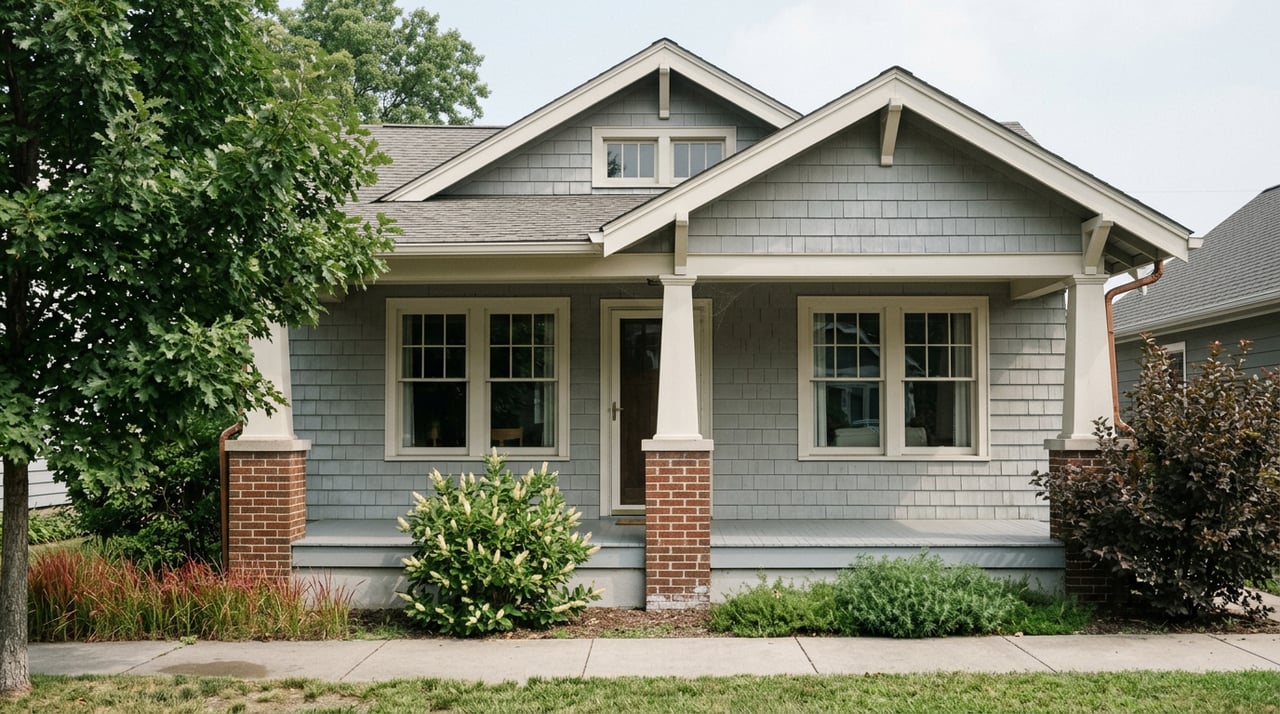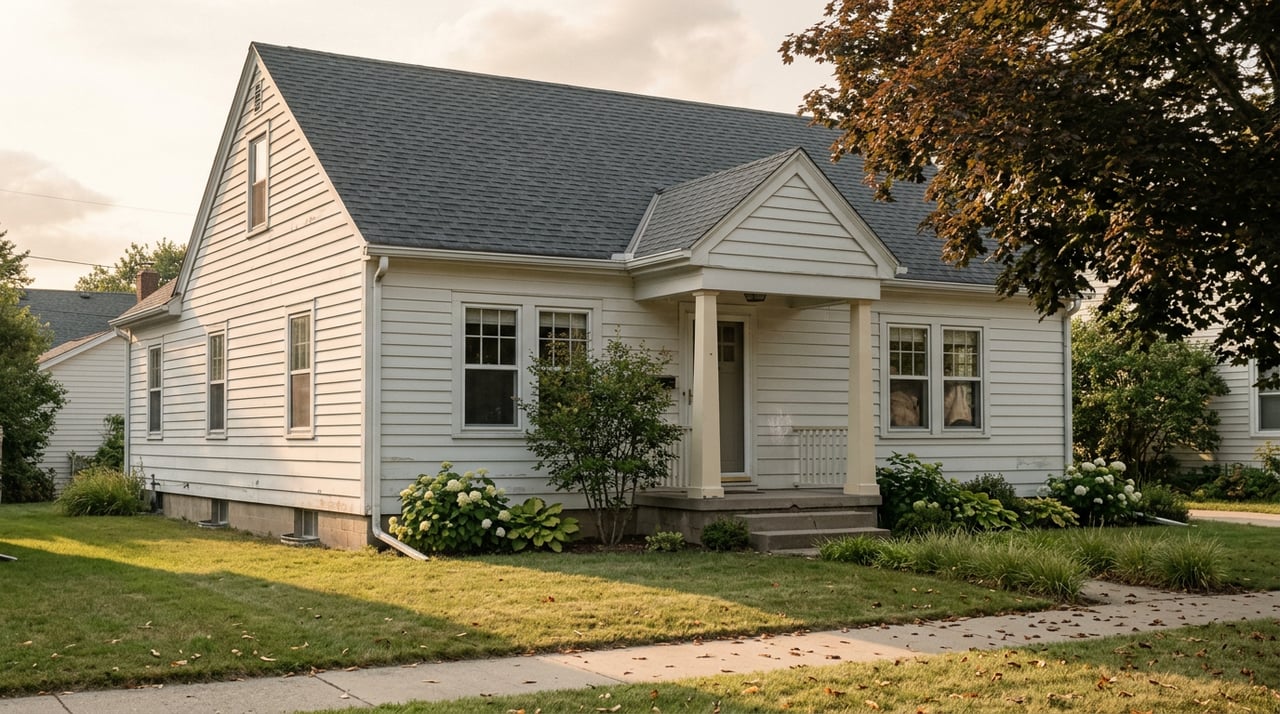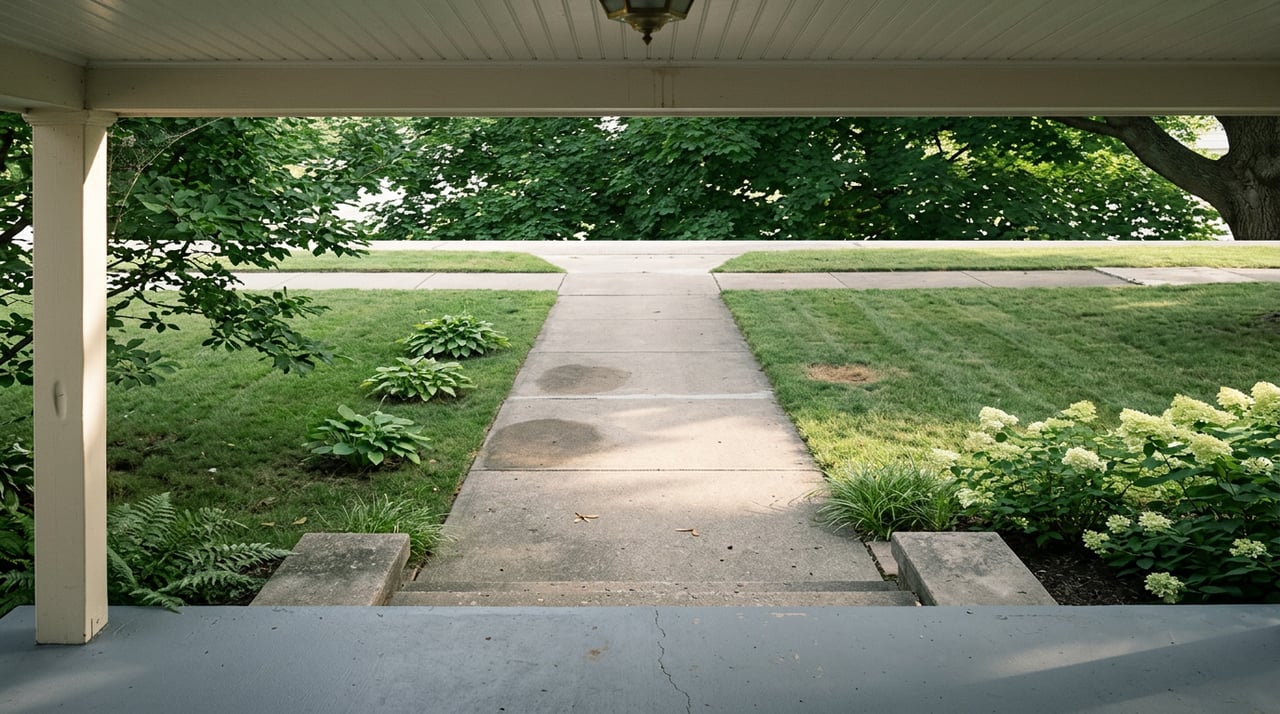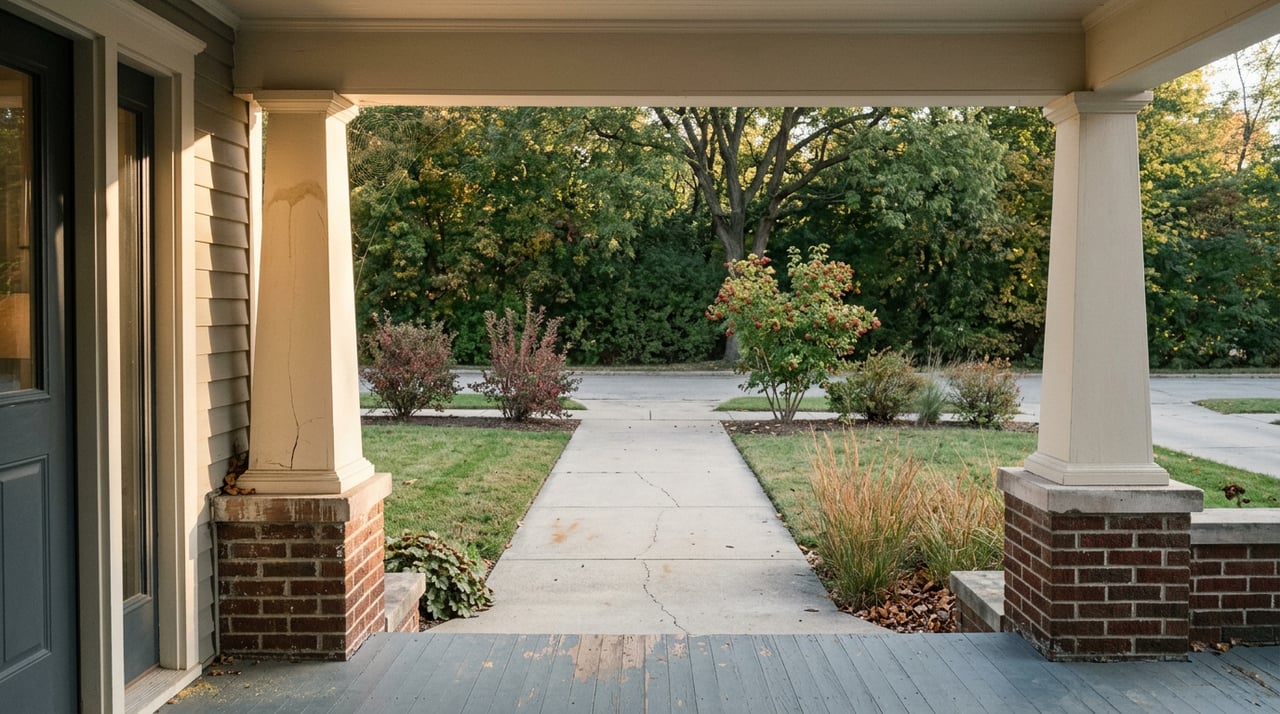
Ask a longtime Field resident what actually organizes their year, and few will point to Chicago Avenue, even though it is technically the neighborhood's commercial corridor. That's because Chicago Avenue runs along Field's eastern boundary line, not through its center, shared as much with neighboring Northrop as with Field itself. What actually runs the calendar here, from spring plant swaps to creek cleanups, is a volunteer board that has been doing this unglamorous work since 1965. That is the part of Field most real estate write-ups skip past on their way to describing Cape Cods and quiet streets.
The organization is the Field Regina Northrop Neighborhood Group, known locally as FRNNG, and it covers three neighborhoods rather than one. It is a registered 501(c)(3), which means its finances are public record, and it has outlasted every restaurant, salon, and auto shop that has opened and closed along Chicago Avenue during the same sixty-one years. That kind of continuity does not show up in a listing description, but it shapes what living in Field actually feels like day to day.
A Board That Meets in Public
Every spring, FRNNG holds an Annual Meeting and Board Election at McRae Recreation Center, most recently on May 20 this year, and the group explicitly invites residents to sit in, ask questions, and bring ideas rather than treating governance as a closed process. That openness extends to money as well. FRNNG funds home improvement loans, emergency deferred loans, and exterior and energy deferred loan programs for residents in buildings with one to four units, plus free Home Energy Squad visits for anyone who wants an energy audit before winter. None of this is flashy, but it means a homeowner in Field has a functioning, decades-old channel for repair financing that many neighborhoods without an active organization simply do not have.
Communication runs through two channels: a print newsletter called Close to Home and an e-newsletter called Closer to Home. Residents can also volunteer directly with the group's Greening Committee, its Communications Committee, or its ongoing buckthorn removal work along Minnehaha Creek. The structure is small and entirely local, run by neighbors rather than a management company or a developer-appointed board.
The Rhythm FRNNG Keeps Every Year
The group's programming gives a clearer picture of what "neighborhood organization" means in practice here. The recurring lineup:
- The Plant Swap, now in its third year, brought neighbors together this past May to trade perennials and starts rather than buy them
- The Duck Race, one of FRNNG's longstanding community fundraisers
- Earth Day Clean-ups, coordinated across all three neighborhoods each spring
- Minnehaha Creek restoration and buckthorn removal, ongoing volunteer work targeting the invasive shrub along the creek corridor that forms Field's southern border
- The Holiday Lights Tour, a winter tradition that closes out the year
None of these require a car, a reservation, or money changing hands. They are the kind of low-key civic rhythm that a neighborhood keeps only if enough people keep showing up, year after year, to run them.
Two Anchors on the Border, Not in the Middle
If Field has physical landmarks that function like a town center, they sit at its edges rather than its middle, which is part of why the neighborhood reads as quiet from the inside.
McRae Park and Recreation Center, at 906 East 47th Street, sits inside Field's boundaries and got a new playground and five outdoor pickleball courts in 2022. Both are free to use and the pickleball courts can be reserved. Each summer, the park runs a Summer Meals Program that provides free weekday meals to anyone eighteen and under, typically from mid-June through late August, a detail worth knowing if you have kids or grandkids nearby during school break. In winter, the same open fields that host softball and football turn into a sledding hill, and the park's hard-surface rink shifts from broomball to ice skating. It is not a redesigned showcase park. It is a park that gets small, useful upgrades every few years and gets used hard in between.
The Parkway Theater, at 4814 Chicago Avenue, sits directly on Field's eastern border. Built in 1934 and renovated in 2018, it has spent ninety-two years as a working single-screen theater, and its current booking calendar looks less like a neighborhood cinema and more like a small concert hall. This year's schedule includes:
| Date | Act |
|---|---|
| September 26, 2026 | Beth Orton |
| October 14, 2026 | Conor Janda |
| November 13, 2026 | Amythyst Kiah |
The theater also runs recurring programming, including a John Hughes film series each fall, paired with pre-movie DJ sets. For a neighborhood without a commercial center, having a working venue that books national touring artists a short walk from home is not a small thing.
The Creek Work Finally Catching Up to the Volunteers
Field's southern border is defined by Minnehaha Parkway and the creek that runs beside it, and for years that stretch has been maintained mostly through volunteer labor like FRNNG's buckthorn removal. That is starting to change. In 2024, the City of Minneapolis, the Minneapolis Park and Recreation Board, and the Minnehaha Creek Watershed District formed a formal partnership to address flooding and water quality issues along the parkway corridor. By October 2025, the partners had completed a feasibility study for three Phase 1 projects identified in the district's long-range vision plan, and the partners are now aligning resources to advance those projects into design.
This matters for a very practical reason. Public trail reviews have long described sections of the Minnehaha Creek Trail as rough and overdue for repair. A funded, multi-agency design process finally catching up to a decade of volunteer stopgap work is a meaningful shift, even if construction is still a step away. It also means the same creek corridor where FRNNG volunteers have been pulling buckthorn by hand is now getting capital investment from three public agencies at once. The volunteer work and the public investment are finally running in the same direction.
What This Adds Up To
Field does not have a business district to point to, and it does not need one to explain what holds it together. The neighborhood's actual infrastructure is a nonprofit that has run continuously since 1965, a park that earns its keep through small annual upgrades rather than one big redesign, a ninety-two-year-old theater sitting on the boundary line that still draws touring musicians, and a creek finally getting the kind of attention that used to depend entirely on volunteers with loppers. None of that shows up in a standard neighborhood profile built around home styles and walk scores. It is the difference between a place that looks good in photos and a place that actually functions the way its residents expect it to, year after year, whether or not anyone outside the neighborhood notices.
If you are weighing what a purchase in a neighborhood like Field actually buys you, beyond square footage and a listing photo, that kind of civic continuity is worth understanding before you make an offer. Doro Real Estate works across South Minneapolis with exactly that level of neighborhood-specific detail. Start your concierge consultation today.