If you are looking at single-family homes in Diamond Lake as an investment, the biggest question is not whether the neighborhood is appealing. It is which strategy fits the market best. In a south Minneapolis neighborhood with limited inventory, steady resale activity, and strong park access, your best move may be very different from a high-cash-flow play in another part of the metro. This guide walks you through the most practical investment options, what the numbers suggest, and what to verify before you buy. Let’s dive in.
Why Diamond Lake Stands Out
Diamond Lake sits in south Minneapolis within Ward 11, an area the city highlights for access to parks and recreation. The neighborhood is part of the Hale Page Diamond Lake Community Association, which serves three neighborhoods and 10,644 residents, adding helpful context for scale and local identity. Nearby amenities like Diamond Lake Park and the Minnehaha Parkway Regional Trail help support everyday livability.
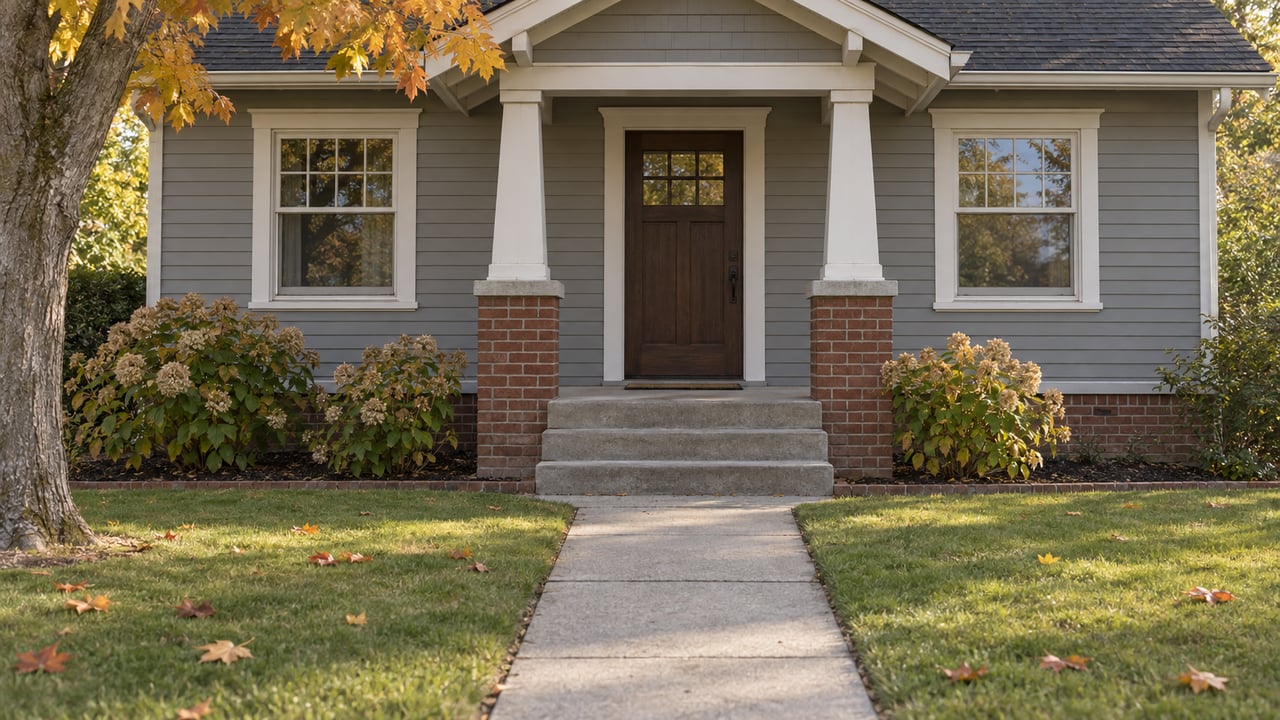
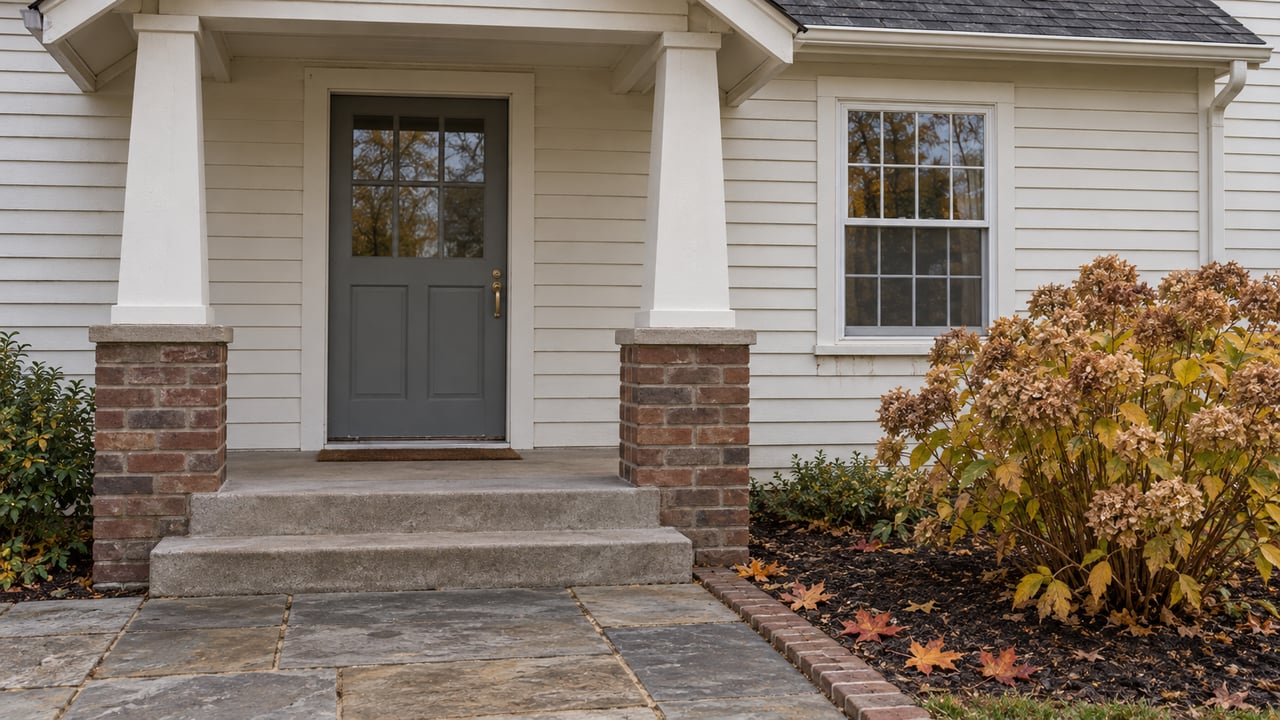
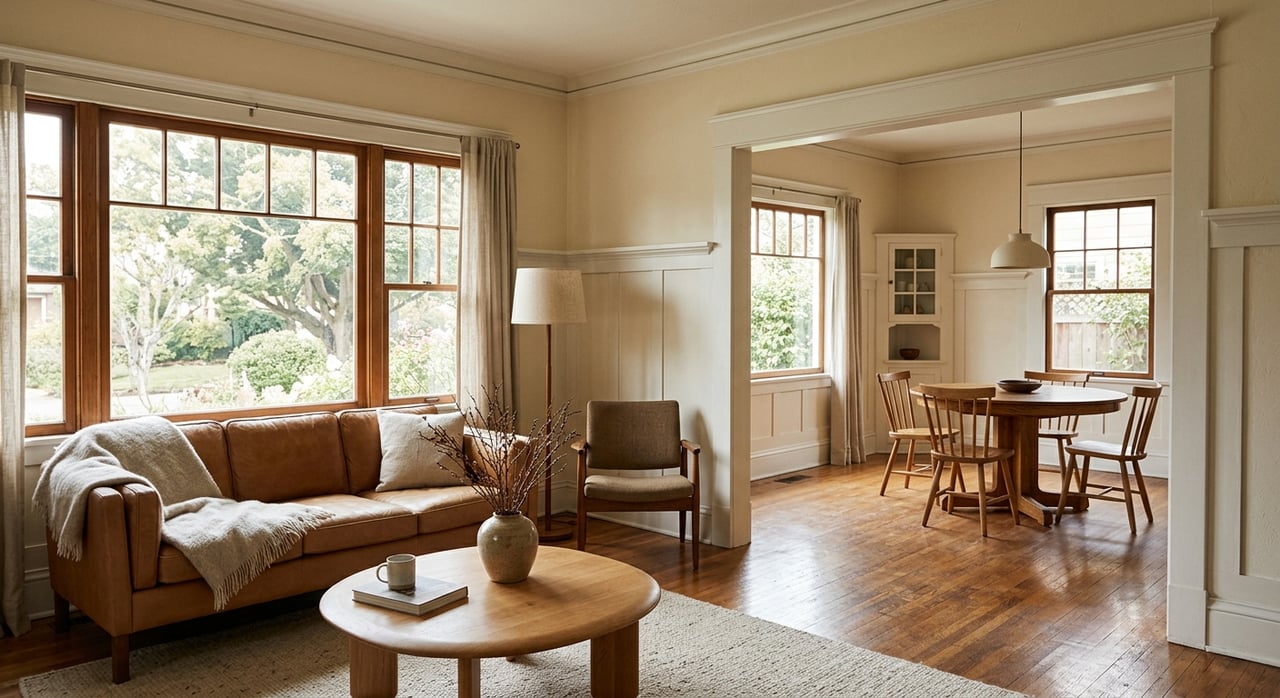
The housing stock also shapes the opportunity. Based on current neighborhood listing examples, the investable inventory appears to be mostly conventional detached homes, often with 3 to 4 bedrooms and roughly 1,816 to 2,323 square feet, according to Diamond Lake market data. For many buyers, that means you are evaluating straightforward single-family properties rather than trying to compare a mix of condos, townhomes, and small multifamily buildings.
What the Market Says
Current numbers point to a tight neighborhood market. Realtor.com’s March 2026 Diamond Lake snapshot shows a median listing price of $429,950, a median price per square foot of $207, just 6 active listings, and a median of 44 days on market, based on its neighborhood overview.
The broader resale picture supports that story. In the 2024 Twin Cities MLS annual report, Diamond Lake posted 71 closed sales, 34 cumulative days on market, and 99.3% of original price received, according to the 2024 Annual Housing Report. While those sources use different methods, together they suggest limited supply and reasonable liquidity for well-positioned homes.
That matters because Diamond Lake does not read like a pure yield play. It looks more like a neighborhood where you may prioritize stable long-term positioning, resale flexibility, and lifestyle-driven demand over chasing the highest monthly spread.
Best Investment Options
Buy and Hold
For many investors, buy and hold looks like the clearest fit in Diamond Lake. When a neighborhood has thin inventory and homes tend to sell without large discounts, holding a well-bought property can make more sense than trying to force a quick reposition.
This strategy may fit you if the home is structurally sound, the layout works, and your numbers still hold up without counting on aggressive rent growth. The local data supports a market where good homes can move efficiently, which can help if you decide to refinance, sell, or reposition later.
House Hacking
A house-hack strategy can also work, especially if you plan to live in the home while making modest improvements over time. The research supports this as a practical option, but only if you verify licensing, permits, and financing details before moving forward.
Minneapolis also offers home improvement financing for owner-occupants, with loans from $2,000 to $75,000 for single-family homes and other one- to four-unit properties. If you plan to owner-occupy while improving the property, that can be a useful tool for a smaller, controlled renovation plan.
Light Renovation and Hold
A light-renovation strategy may be one of the smarter ways to create value here. In Diamond Lake, the safer approach is usually improving condition, function, and reliability rather than assuming you need a major expansion or full gut remodel.
That can include updates like:
- Replacing dated finishes
- Improving kitchens or baths within the existing footprint
- Addressing deferred maintenance
- Upgrading systems or components that affect reliability
- Refreshing curb appeal and overall presentation
In a market with efficient resale activity, disciplined improvements can matter more than overbuilding. Your margin often comes from buying well, managing the project carefully, and keeping the scope aligned with neighborhood expectations.
Rental Appeal in Diamond Lake
If you plan to lease the home, Diamond Lake’s appeal is likely tied to setting and convenience more than apartment-style amenities. Ward 11 includes amenities such as Hale Elementary, Justice Page Middle School, Lake Nokomis Community School, Nokomis Library, and Washburn High School, based on the city’s Ward 11 overview. It is best to treat those as nearby location features and verify any details that matter to your own decision-making.
Outdoor access is another clear draw. The Minneapolis Park and Recreation Board describes Diamond Lake Park as a 73.04-acre park with 54.9 acres of water, shoreline trails, a fishing pier, and year-round birding. For renters who value a residential setting with park access, that local context can support demand.
The neighborhood-level rental data is limited, which is important to note. Realtor.com lists Diamond Lake’s rental median as not available because there was only one rental listing, while the broader 55419 ZIP code showed a median rental price of $2,197 per month in February 2026 on its market snapshot. That means you should underwrite carefully and avoid overconfidence when projecting rent.
Hold vs Flip in Diamond Lake
Why Hold Often Makes More Sense
In some neighborhoods, a flip strategy stands out right away. Diamond Lake looks different. With strong original-price retention and relatively limited active listings, the data points more toward a market where a clean, well-maintained home can perform without deep discounting, rather than one where dramatic value-add is the only path to profit.
That does not mean resale is off the table. It means you may be better served by a measured plan: buy at the right basis, make sensible improvements, and preserve optionality.
When a Fast Resale Could Work
A faster resale can still make sense if you buy below market, solve clear condition issues, and stay realistic about project scope. The strongest version of that strategy is usually a light improvement plan with tight cost control, not a speculative major remodel.
In other words, Diamond Lake may reward precision more than ambition. The less you have to assume, the stronger your investment thesis tends to be.
Due Diligence Before You Buy
Check Rental Licensing Rules
If you plan to rent out the home, Minneapolis rules matter early. The city states that a rental license is required for any dwelling unit where the owner is not occupying the unit, even if no rent is paid. Vacant units advertised for rent also need a license.
The same city guidance notes that license fees are due March 1, licenses are not transferable, and processing can take three to four weeks. If your timeline depends on lease-up right after closing, build that into your plan.
Verify Permit Requirements
Renovation plans should always be checked against city permit rules. Minneapolis states that a building permit makes it legal to begin a remodeling project, and one- and two-family homes may require plan review and inspections before and during the work.
For investors, that reinforces a practical point: value creation often comes from disciplined execution, not from rushing into a loose scope. Before you close, make sure your contractor assumptions, timeline, and carrying costs match the real permitting process.
How to Evaluate a Diamond Lake Deal
When you are comparing single-family investment options in Diamond Lake, focus on a few basics first:
- Purchase basis: Does the price make sense relative to the neighborhood’s current pricing?
- Condition: Is the home mostly sound, or are you taking on major hidden risk?
- Scope: Are your updates modest and practical, or are you counting on a large, complex remodel?
- Exit options: Could the property work as a hold, an owner-occupied plan, or a later resale?
- Operations: If renting, have you accounted for licensing, timeline, and compliance?
That kind of framework keeps you grounded in what the market is actually offering. In Diamond Lake, a clear and simple plan is often stronger than a highly engineered one.
If you want local guidance on buying, holding, leasing, or evaluating a renovation path in south Minneapolis, Doro Real Estate offers a concierge approach that brings brokerage, property management, and development insight under one roof. That can help you move from a promising listing to a practical, fully thought-through investment plan.
FAQs
Is Diamond Lake a good neighborhood for buy-and-hold single-family investing?
- Based on current pricing, limited inventory, and strong resale metrics, Diamond Lake appears better suited to buy-and-hold investing than a pure high-cash-flow strategy.
Can you house hack a single-family home in Diamond Lake?
- Yes, a house-hack approach can work, but you should verify Minneapolis rental licensing rules, permit requirements, and any financing details before making plans.
What type of single-family homes are common in Diamond Lake?
- Current listing examples suggest the neighborhood’s investable stock is mostly detached 3- and 4-bedroom homes, often around 1,816 to 2,323 square feet.
What supports rental appeal for single-family homes in Diamond Lake?
- Park access, a residential setting, nearby library access, and other Ward 11 amenities are the most defensible local factors supporting tenant appeal.
Do you need a rental license for a single-family home in Minneapolis?
- Yes, the city requires a rental license for any dwelling unit where the owner is not occupying the unit, including vacant units advertised for rent.
Should you plan a major remodel for a Diamond Lake investment property?
- The market data suggests a lighter renovation strategy is often the safer approach, with value tied more to condition, function, and disciplined execution than to major expansion.