Trying to time your Wayzata home purchase? In a small, lakeside market with limited listings, the right month can change your options and your leverage. If you want lake access, a walkable downtown lifestyle, or both, seasonality in Wayzata and Lake Minnetonka matters more than you might expect. In this guide, you will learn how inventory, competition, and days on market shift through the year and how timing differs for waterfront homes versus in‑town condos and townhomes. Let’s dive in.
Wayzata’s seasonal patterns
Wayzata sits on Lake Minnetonka with a compact downtown, strong amenities, and a naturally shallow pool of listings. That combination creates predictable peaks and valleys through the year. Here is how the cycle typically plays out.
Spring: selection and speed
Spring, roughly March through May, brings the largest wave of new listings as curb appeal improves and buyers get active after winter. Competition is usually the highest of the year and days on market are the shortest. Waterfront sellers often list in spring so buyers can evaluate shoreline and plan for summer. You get the best selection, but you will face more showings, more offers, and tighter timelines.
Early to mid summer: peak showability
June and July keep inventory relatively high, though it can taper as top homes sell. Competition remains strong, especially for waterfront and homes or condos close to the downtown core. Days on market stay short for in‑demand properties because many buyers want to close in time for peak summer. For lake homes, summer showings let you see docks, swimming areas, and boat traffic in real use.
Late summer to early fall: a balanced window
From August through October, inventory falls from spring levels, but new listings still appear, including some motivated sellers. Competition eases to moderate, and days on market tend to lengthen versus spring. This season often blends decent selection with more room to negotiate. Lake views shine in fall, and the market feels less rushed.
Late fall to winter: negotiation leverage
November through February is the quietest stretch with the lowest inventory and the lowest competition. Days on market are typically the longest, and pricing concessions are more common. Lake attributes can be harder to evaluate in winter, and some sellers wait for spring. If you value leverage and are comfortable with less selection, this season can work in your favor.
Waterfront vs condos and townhomes
Seasonality plays out differently for single‑family lakefront homes than it does for in‑town condos or townhomes near downtown Wayzata.
Inventory rhythms
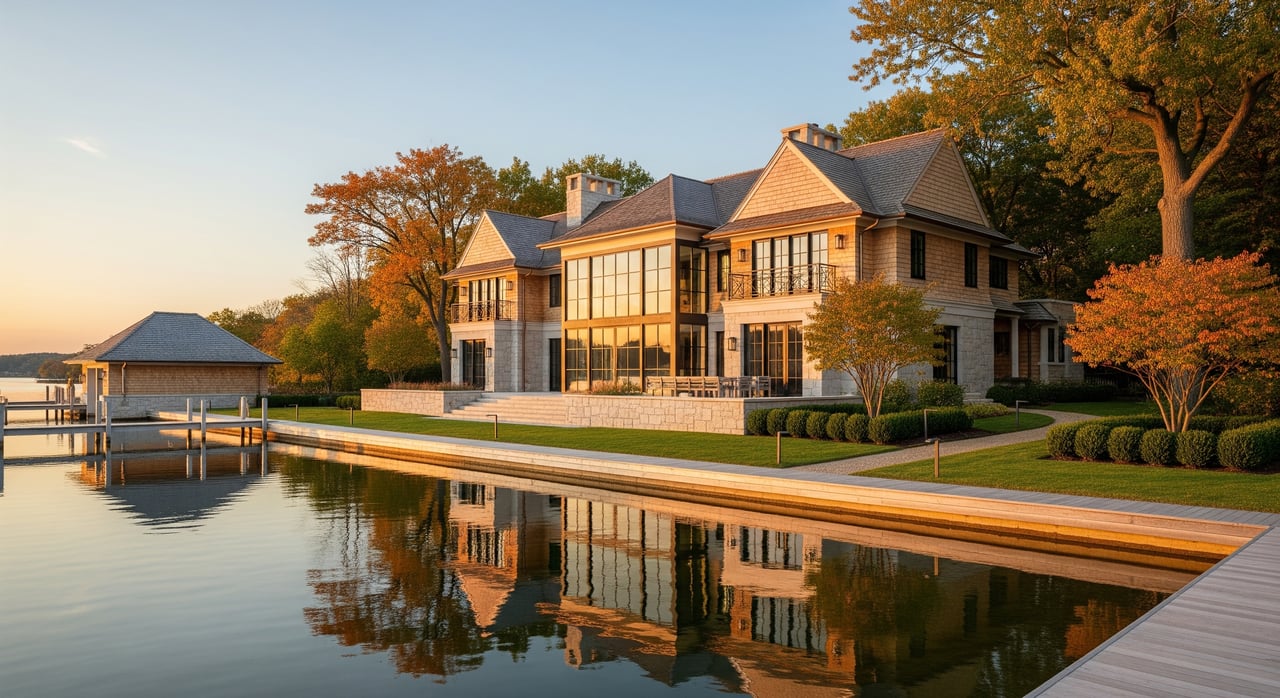
- Waterfront homes: Highly seasonal, with many owners listing in spring and early summer to showcase lake access and views. The small number of waterfront parcels means selection can spike briefly, then tighten.
- In‑town condos/townhomes: Less seasonal and steadier year‑round. Turnover can be driven by building events like assessments or management changes, not just the weather.
Competition and buyer profiles
- Waterfront buyers: Often focused on lake access or second‑home use and tend to act strongly in spring and summer. Local and second‑home demand can overlap and intensify competition.
- Condo/townhome buyers: A broader pool that includes first‑time buyers, downsizers, and commuters. Multiple offers happen, but they are tied more to specific floorplans and pricing than to the season.
Inspections, lending, and holding costs
- Waterfront: Expect specialized inspections for shoreline stability, docks and lifts, erosion, septic or boathouse conditions, and riparian rights. Insurance or lending details may differ due to shoreline risks.
- Condos/townhomes: Association health matters year‑round. Review reserves, recent or proposed special assessments, and rules on pets or rentals that affect daily use and long‑term costs.
Showability and marketing
- Waterfront: Spring and summer visuals help sellers maximize appeal with sunny water, dock setups, and boat-ready scenes.
- In‑town buildings: Consistent interior and lifestyle marketing means units stay visible even in winter months.
Timing strategies by goal
Your best season depends on whether you prioritize selection, leverage, or balance.
Prioritize selection (late March to June)
Aim for late spring into early summer if you want the widest range of choices. You can compare lake orientation, lot layouts, and proximity to downtown amenities. Expect faster timelines and stronger competition.
Prioritize negotiation leverage (November to February)
Target late fall and winter to face fewer competing buyers and longer days on market. You may have more room for price and contingency discussions. You will trade off some selection, and lake features can be harder to assess.
Seek a balanced window (August to October)
Shop in late summer to early fall for a mix of meaningful inventory and softer competition. Sellers who missed peak season may be more flexible, and you still get good showability for most properties. This window can align well if you want value without sacrificing too much choice.
Buyer checklist for Wayzata
Use this list to shorten your search and improve outcomes in any season:
- Get fully pre‑approved, not just pre‑qualified, to compete in spring and summer and to move quickly on winter deals.
- Hire a local buyer’s agent with Wayzata and Lake Minnetonka experience, including shoreline and association nuances.
- Set MLS alerts with narrow filters, such as waterfront status, dock needs, and condo rules that matter to you.
- Prepare specialized inspections for lake homes, including shoreline, dock and boat lift condition, sewer or septic, and erosion or tree‑root issues.
- For condos and townhomes, review association financials, reserves, special assessments, rules, and insurance requirements early.
- Ask about off‑market and coming‑soon opportunities. Small markets like Wayzata often surface early leads through local networks.
- If school timing matters, plan closings around your calendar since many family buyers cluster in spring and summer.
- Coordinate financing and closing timelines with your lender, especially if you plan to be settled for summer.
Seasonal tactics that work
Turn season insights into action with these practical plays.
Waterfront in spring
Be ready to move quickly with strong terms. Consider contingencies that address shoreline permits or dock transfers, handled in a clear, time‑bound way. Expect multiple offers on the best lots and views.
Waterfront in winter
Request summer photos if available and ask for documentation on dock, lift, and shoreline work. Schedule inspections that account for freeze and thaw effects and ice damage. Use the slower pace to negotiate repairs or credits.
In‑town condos year‑round
Focus on building health, reserves, and any planned assessments that could affect costs. In winter, you may find steadier negotiating room compared with waterfront. Confirm turnover patterns in the building so you understand supply dynamics.
Local risks and rules to watch
Buying near Lake Minnetonka includes added considerations. Shoreline and dock use are guided by regional and municipal rules, so confirm permitted dock size, transferability, and any recent or pending changes before you finalize terms. Insurance and maintenance for lakefront homes can differ due to ice, erosion, and dock coverage, so get clear quotes early.
For condos and townhomes, review recent or proposed assessments and building projects that could change monthly costs. Title items like easements, shared drives, slip agreements, and boathouse or dock transfers should be verified early. On waterfront lots, request a recent survey and documentation of riparian rights to avoid surprises.
What could override seasonality
Big shifts in mortgage rates, regional housing cycles, or a new development can change the playing field regardless of the month. Local policy or public projects, such as shoreline regulations or downtown improvements, can also influence inventory and demand. For current data, use local MLS market reports, statewide and national Realtor resources, and city and county planning or assessor information.
Ready to explore Wayzata with a plan that fits your goals and the season? If you want white‑glove guidance, local market depth, and ongoing support for second‑home ownership or management needs, connect with the team at Doro Real Estate. Start your concierge consultation.
FAQs
When is the best month to buy a waterfront home in Wayzata?
- Spring offers the broadest selection, while late fall and winter often provide more negotiation leverage and time to evaluate terms.
Are Wayzata condos less seasonal than lake homes?
- Yes, in‑town condos and townhomes tend to list and sell more steadily year‑round, while single‑family waterfront homes show stronger spring and summer swings.
How do days on market change by season in Wayzata?
- Days on market are usually shortest in spring and early summer and longest in late fall and winter; check local MLS reports for current figures.
What inspections matter most for Lake Minnetonka waterfront properties?
- Shoreline stability, dock and lift condition, erosion and ice impacts, septic or sewer status, and documentation of riparian rights and permits are key.
Is winter a bad time to buy in Wayzata?
- Not at all; winter often brings lower competition and more flexibility from sellers, though selection is smaller and lake features are harder to evaluate.