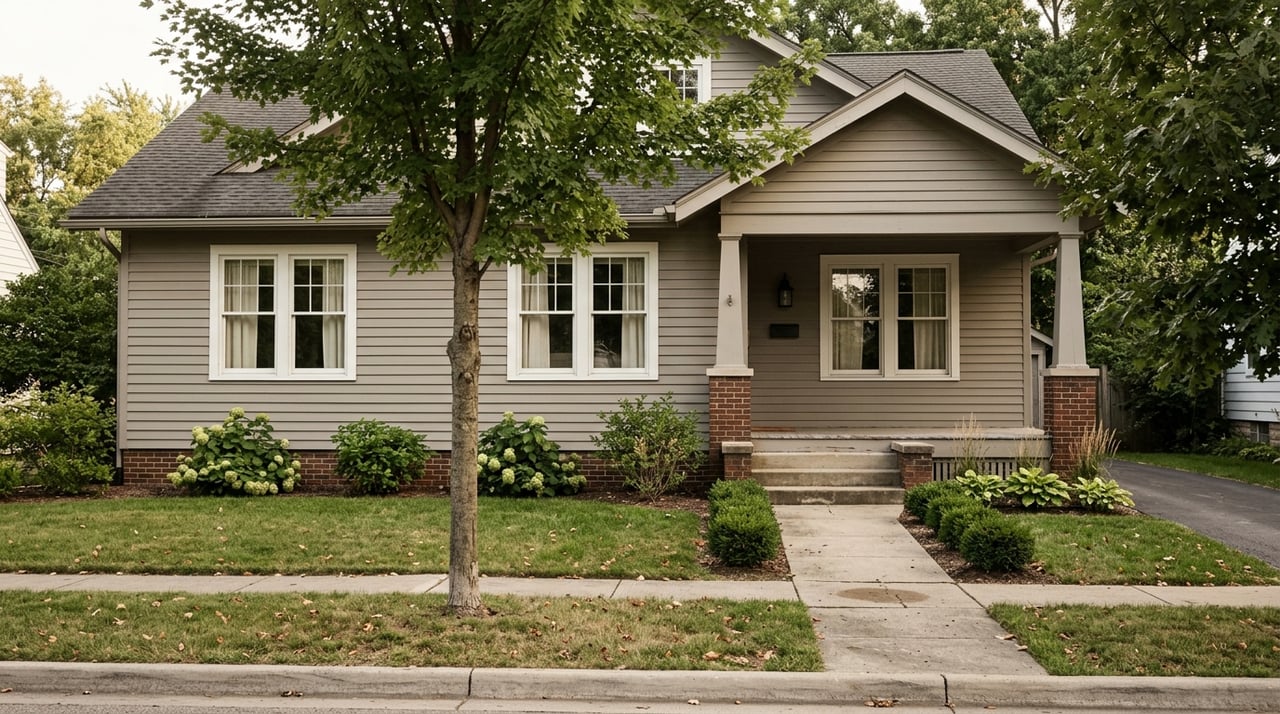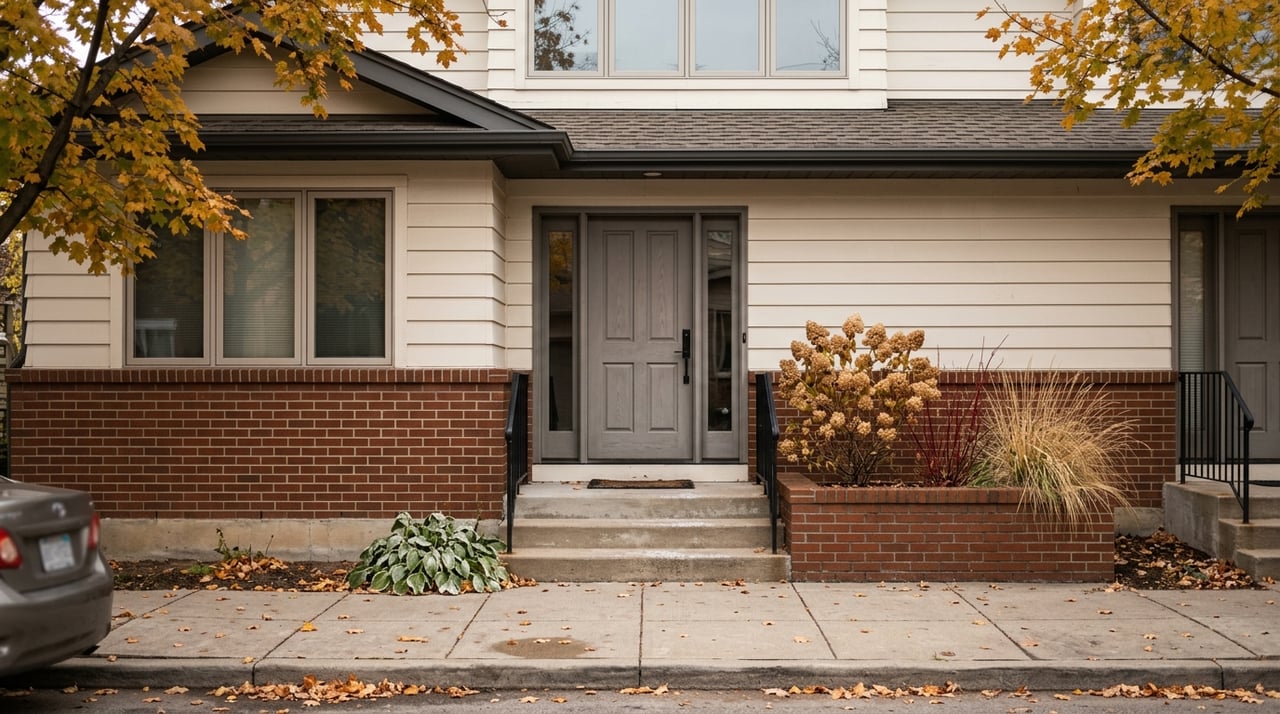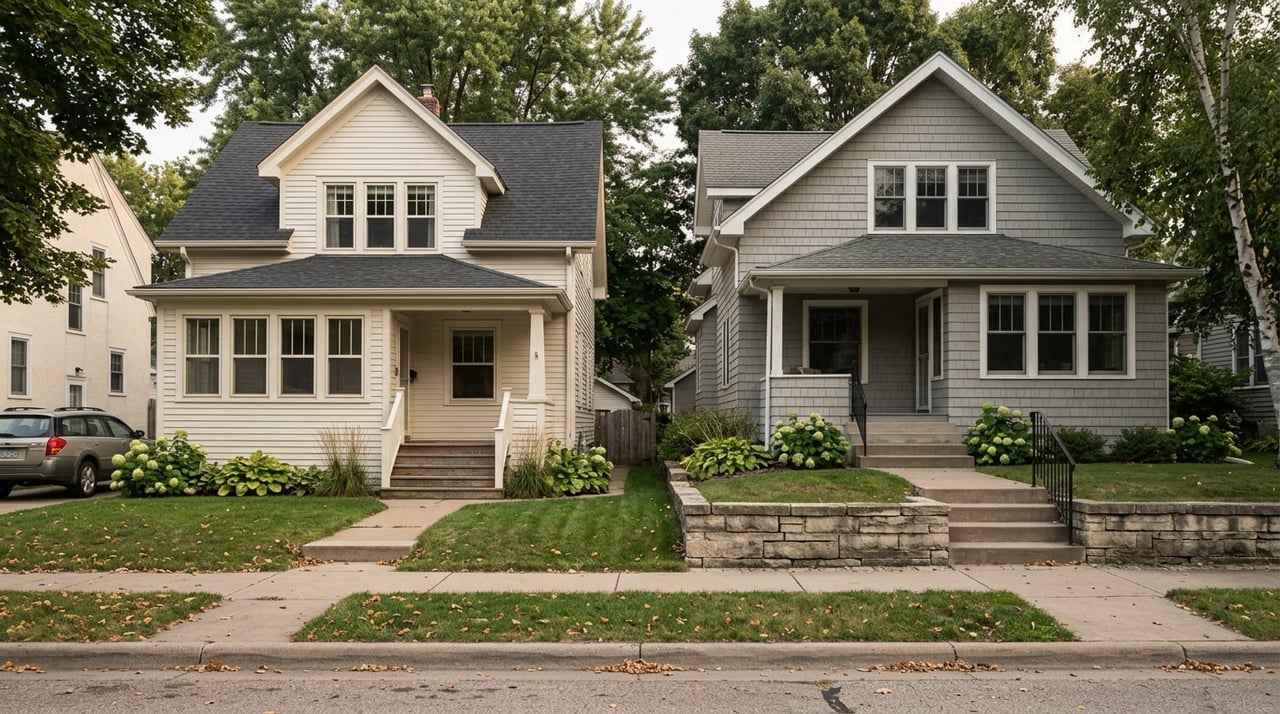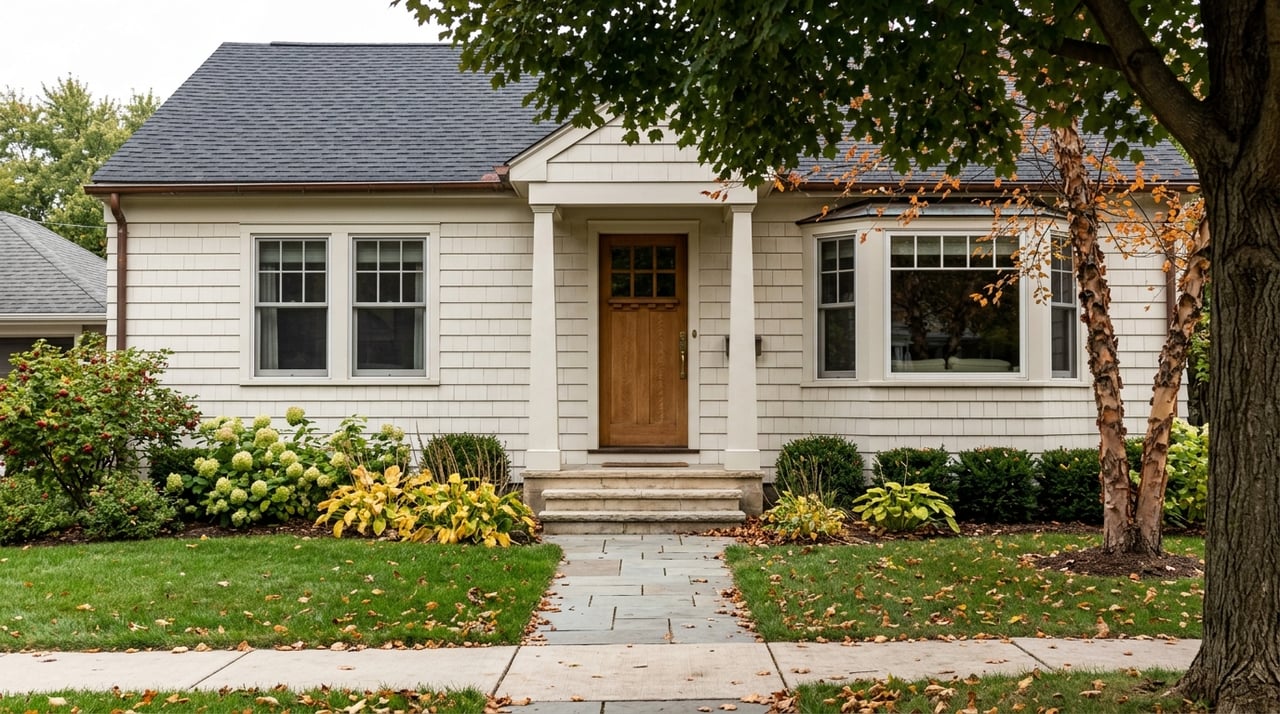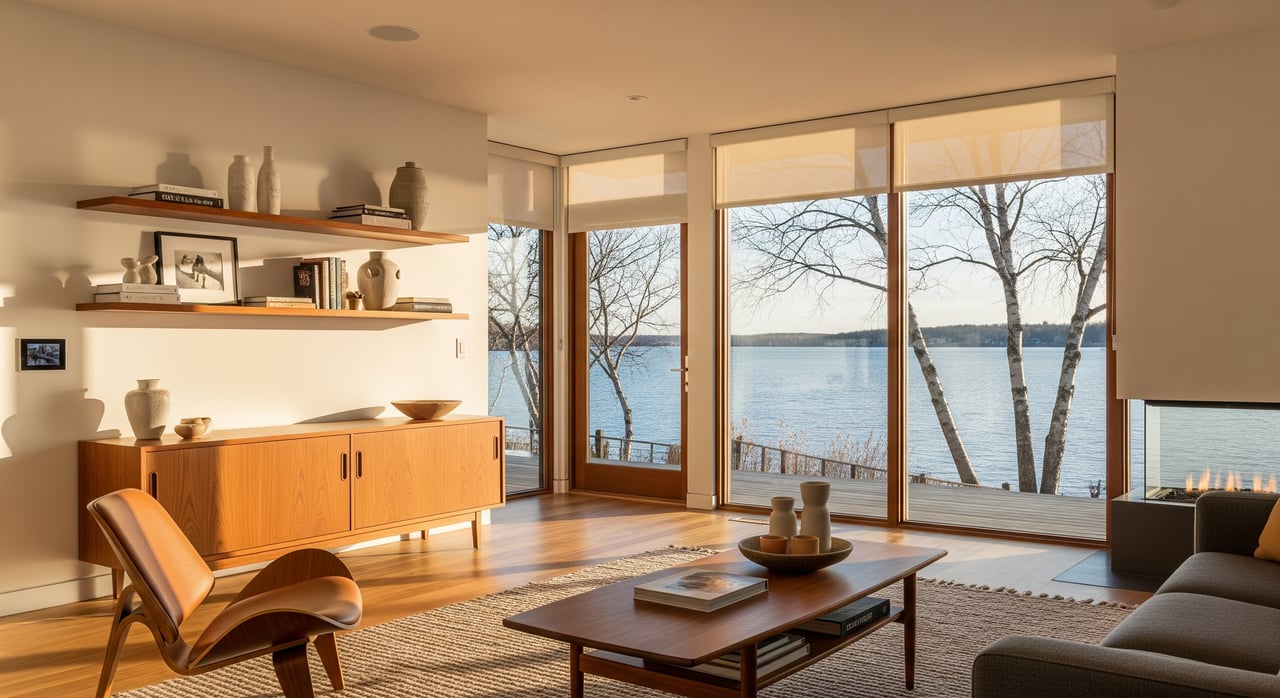
Thinking about updating your Texa Tonka rambler or split-level but worried about losing that midcentury magic? You are not alone. With long Minnesota winters and rising energy costs, it is smart to target upgrades that boost comfort and value without erasing original character. In this guide, you will learn which kitchen, bath, window, and energy improvements deliver the strongest ROI in Hennepin County and how to plan the work with as little disruption as possible. Let’s dive in.
What makes Texa Tonka homes special
Midcentury homes in Texa Tonka often feature clean lines, modest footprints, and great built-ins. Preserving these details keeps your home’s appeal strong for buyers who love the era.
- Simple horizontal profiles and open sightlines
- Natural wood tones, exposed brick, and original hardwood or terrazzo
- Flat-front cabinetry and period hardware
- Colored ceramic tile in baths and kitchens
- Distinctive casement, clerestory, or horizontal picture windows
The guiding approach is simple: repair first, replace sympathetically. Restore original wood, tile, and built-ins when you can. If you must replace, choose materials and profiles that echo the midcentury look rather than chasing trends.
Plan for cold-climate gains
Hennepin County’s long heating season makes efficiency upgrades a top priority. Comfort improvements you can feel and utility savings you can measure are often the best investments.
- Air sealing around penetrations, windows, doors, and rim joists
- Attic insulation to cold-climate levels and sealing at the ceiling plane
- Rim-joist insulation in basements and slab transitions
- Right-sized heating and cooling after you reduce the load
Before you start, schedule a home energy audit with blower-door testing and infrared scanning. This pinpoints leaks and insulation gaps so you spend money where it matters most.
Kitchen updates that fit the era
You can modernize function and efficiency while keeping the midcentury feel that buyers love.
- Keep or refinish cabinet boxes if they are solid. Update with flat slab or simple recessed doors and period-friendly hardware.
- Make small layout tweaks within the work triangle instead of a full gut. This improves function without costly structural changes.
- Choose counters that complement wood tones. Honed stone, subtle terrazzo-look quartz, or muted solid surfaces work well.
- Restore or add a simple, small-format tile backsplash. Stacked or running-bond layouts keep lines clean.
- Select ENERGY STAR appliances sized to the kitchen. Panel-ready options help maintain a streamlined look.
- Layer warm LED lighting with under-cabinet task lights and midcentury-style pendants or sconces.
Well-executed, modest kitchen refreshes typically offer strong resale impact in older Twin Cities neighborhoods because they balance authenticity with daily function.
Bathroom refreshes that pay off
Focus on durable surfaces, water efficiency, and ventilation.
- Preserve distinctive tile and vanities when possible. Reglazing tubs or tile can save money and keep period color.
- Upgrade to WaterSense toilets, faucets, and shower valves to cut water use.
- Improve ventilation to protect finishes and air quality. Quiet fans are a small upgrade with big benefits.
- Consider a wall-mounted vanity to reference floating midcentury designs. Avoid oversized pieces that overwhelm a compact bath.
Targeted bath updates tend to deliver good value, especially when they solve plumbing or moisture issues buyers notice during inspections.
Windows: repair or replace
Midcentury window patterns are a big part of curb appeal. Aim to keep the look while improving comfort.
- Repair and weatherstrip original windows, then add interior or exterior storms. This often delivers strong thermal and acoustic gains while preserving profiles and hardware.
- Retrofit original units with new glazing and low-profile storms when frames are sound.
- Replace only windows that are beyond repair. Choose high-performance, cold-climate units with low-E coatings and narrow sight lines that echo original proportions. Proper flashing and insulation at jambs are essential to avoid drafts and condensation.
In many cases, air sealing, attic insulation, and storms beat full replacement on cost versus energy savings, while keeping the midcentury aesthetic intact.
Energy systems that perform
After you tighten the envelope, modernize mechanicals for comfort and reliability.
- Evaluate high-efficiency gas furnaces, cold-climate heat pumps, or ducted and ductless mini-splits. Modern heat pumps can serve year-round in Minnesota with good efficiency.
- Insulate exposed ducts and verify correct sizing and airflow. Add smart thermostatic controls.
- Consider a heat pump water heater where feasible for additional efficiency gains.
Check local utility and nonprofit programs for rebates on insulation, heat pumps, and sometimes windows. Incentives can meaningfully improve project ROI.
Permits, sequencing, and pros
Save time and rework by following a logical order and confirming requirements early.
- Diagnostics first. Book a home energy audit and assess wiring, plumbing, and foundation. Identify original features worth preserving.
- Tighten the envelope. Air seal, insulate the attic and rim joists, and repair windows with storms. This reduces heating load.
- Upgrade mechanicals. Right-size heating, cooling, and water heating based on your lower load.
- Finish interiors. Complete kitchen and bath work, tile, counters, lighting, and floors after mechanicals.
- Commission systems. Verify performance, ventilation, and controls before you close out permits.
Always check your city building department and Hennepin County for permits related to structural changes, window replacements, panel upgrades, and HVAC installations. If your property is in a historic district or conservation overlay, confirm exterior design rules before you order windows or alter facades.
Choose contractors with experience in midcentury repair, including wood windows, veneer cabinetry, and tile restoration. For energy measures, look for certified energy auditors or program-approved installers.
Costs and ROI at a glance
In Texa Tonka’s market, projects that respect the original design while improving comfort tend to perform best at resale.
- High ROI: modest kitchen refreshes, targeted bath updates, air sealing and attic insulation, and repairing original windows with storms
- Moderate ROI: whole-house HVAC modernization and selected window replacements when units are beyond repair
- Essential but variable payback: rewiring and repiping increase safety and marketability, even if the cost is not fully recovered in the sale price
Buyers of midcentury homes usually want both originality and modern comfort. Keep visible woodwork, built-ins, and period tile where possible, and pair that with reliable systems and efficient appliances.
Next steps for your home
Start with an energy audit and a quick character inventory of your home. Decide what to preserve, then prioritize envelope and mechanical improvements before you touch finishes. When you update kitchens and baths, aim for clean lines, warm wood tones, and right-sized fixtures that feel true to the era.
If you want help prioritizing upgrades for resale or rental performance, vendor introductions, or a plan that fits your timeline and budget, reach out to the local team at Doro Real Estate. Start your concierge consultation and make every upgrade count.
FAQs
Should I replace original windows in a Texa Tonka midcentury home?
- If frames are sound, repair plus storm windows usually preserves character and delivers strong comfort gains; replace only units beyond economical repair.
Are cold-climate heat pumps practical in Hennepin County winters?
- Yes, modern cold-climate heat pumps can heat and cool efficiently year-round when properly sized, with backup strategies considered for extreme cold.
What kitchen changes offer the best payback in a 1950s rambler?
- Keep cabinet boxes and refinish or reface doors, add efficient appliances and lighting, and update counters and backsplash with period-friendly materials.
Do bathroom updates in Texa Tonka typically need permits?
- Many plumbing, electrical, ventilation, and structural changes require permits; check your city building department and Hennepin County before work starts.
How should I sequence upgrades if I plan to live through the work?
- Audit and envelope first, then mechanicals, followed by kitchens and baths; finish with final commissioning and controls to avoid rework and downtime.