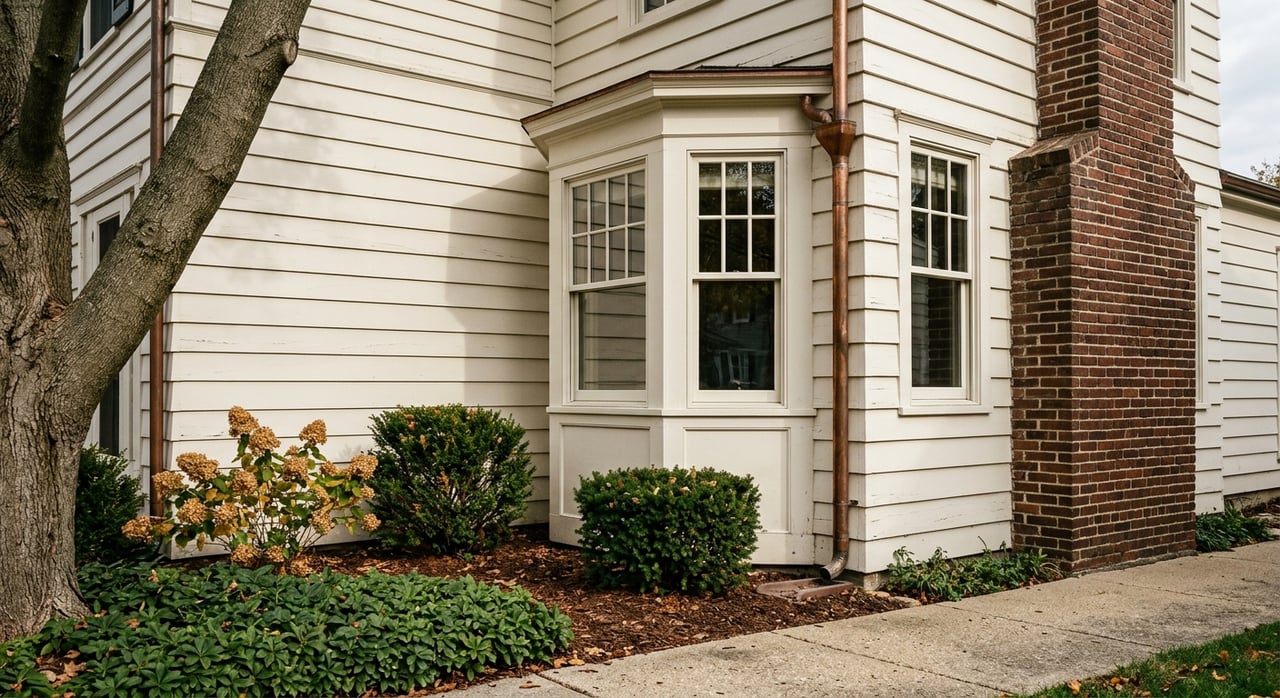
Wondering what it really means to buy a home in Edina’s Country Club District? This is not a neighborhood where you only compare square footage and finishes. You are also buying into a preserved historic setting, a tightly defined streetscape, and a style of homeownership that rewards careful planning. If you want to understand the character, rules, tradeoffs, and long-term appeal before you make a move, you’re in the right place. Let’s dive in.
Why Country Club Stands Out
Edina’s Country Club District is a 14-block residential neighborhood bounded by Minnehaha Creek, Sunnyside Road, Arden Avenue, and West 50th Street. It includes about 555 dwellings and a city park. The neighborhood was platted in 1924 by Thorpe Brothers Realty Company and is described by the City of Edina as one of Minnesota’s first modern planned communities.
That early planning still shapes what you experience today. The original design emphasized tree-lined streets, installed utilities before lots were sold, and used uniform building and design restrictions. As a result, the neighborhood feels cohesive rather than pieced together over time.
If you are drawn to neighborhoods with a strong sense of identity, that matters. Country Club tends to appeal to buyers who value preserved character, consistency, and a recognizable architectural rhythm. It is less about oversized lots or highly individualized new construction and more about the experience of living within a thoughtfully preserved historic district.
Historic Status Shapes Ownership
Country Club was listed on the National Register of Historic Places in 1980. More importantly for buyers today, it was designated a Heritage Preservation Landmark overlay district in 2003. That local designation is what materially affects exterior changes and redevelopment.
This distinction is important during your home search. A National Register listing alone does not regulate private changes, but the local overlay and City of Edina review process do. In practical terms, you should expect renovation freedom to be more structured here than in many other Edina neighborhoods.
The city treats homes built from 1924 to 1944 as heritage preservation resources. Since 91% of the district’s 555 homes, or 507 homes, were built during that period, the preservation framework touches much of the neighborhood. The city’s survey also found that historic facades remain largely intact, which helps explain why the streetscape still feels so unified.
Architecture You Will See Most
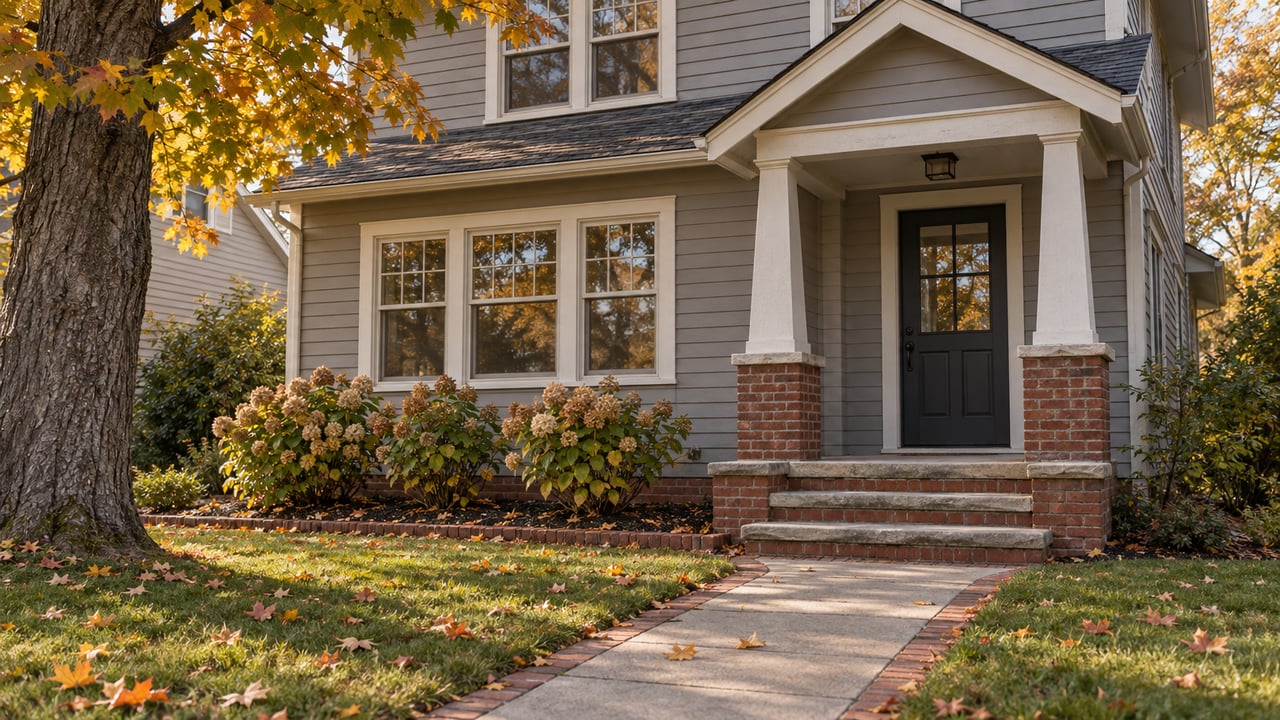
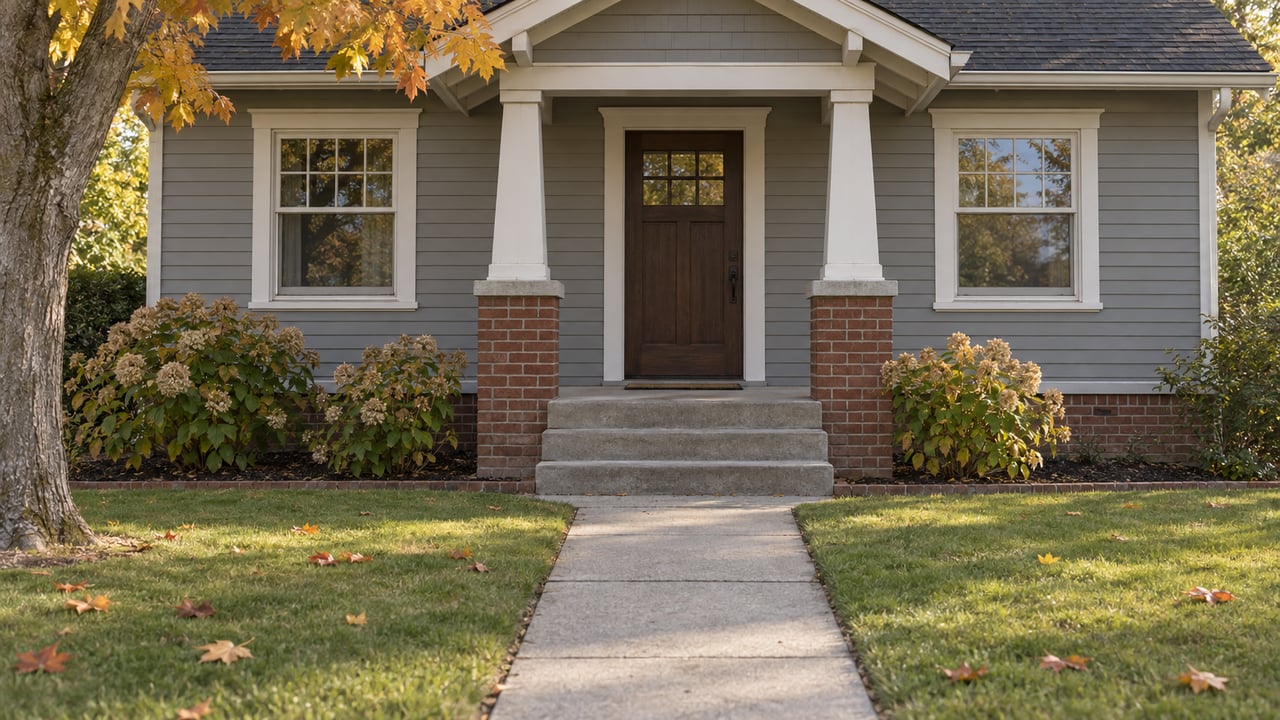
One of the biggest draws in the Country Club District is its architecture. Common home styles include Colonial Revival, English Tudor or English Cottage, and Mediterranean or Spanish Colonial. French Provincial also appears among the original model homes.
Many homes are not strict textbook versions of one style. Because the district was planned around period-house revival design, you will often see blended architectural features. That gives the neighborhood variety while still preserving a consistent overall look.
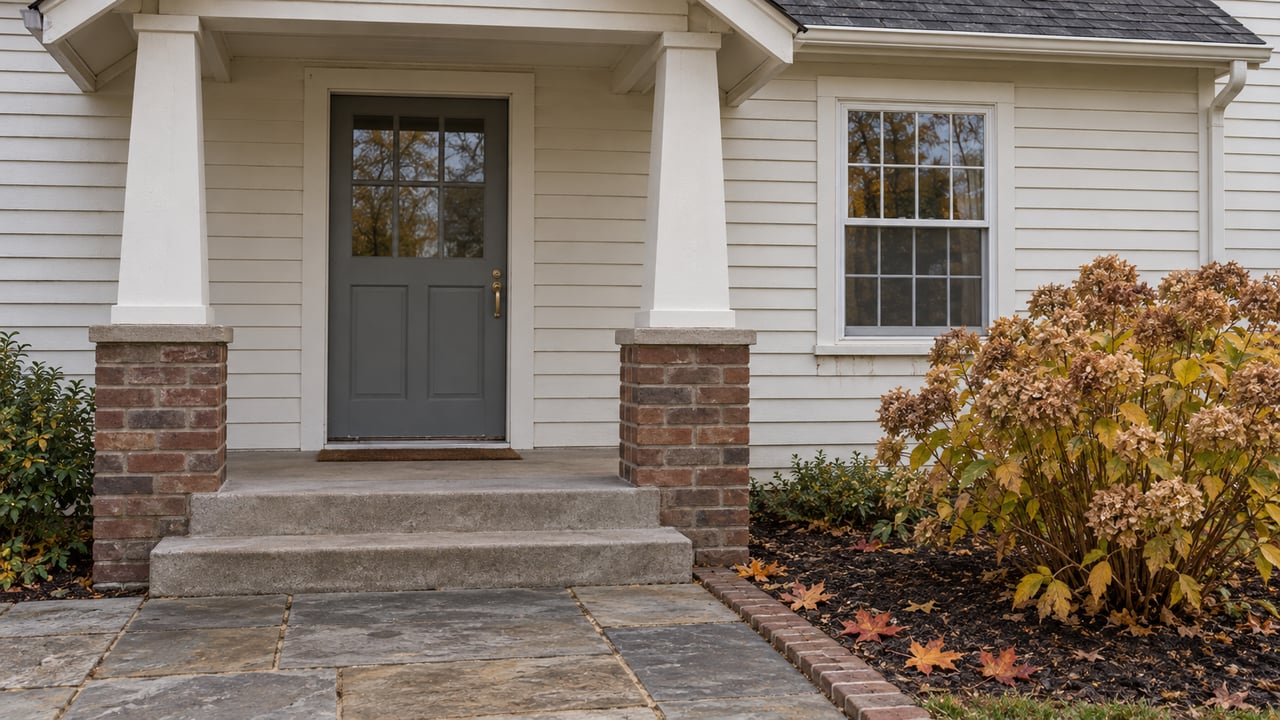
Street-facing materials also follow a traditional palette. Recommended facade materials include lap siding, stucco, brick, false half-timbering, wood shakes, and stone. On the other hand, aluminum and vinyl siding are not considered appropriate for street-facing facades under the district’s plan of treatment.
What Lot Design Means for Buyers
If you are comparing Country Club to newer suburban neighborhoods, the lot and garage patterns may feel different. Here, detached garages are expected to remain subordinate and are usually placed toward the rear of the lot. Front-facing attached garages are discouraged, and large areas of driveway or parking surface are also discouraged.
That affects both curb appeal and function. You may gain a more attractive, historically consistent streetscape, but you also need to think carefully about parking layout, garage placement, and how future changes could fit within district expectations. Buyers who come in with a teardown mindset often find this is the wrong neighborhood for that approach.
New construction is also limited to existing residential lots. If a home is replaced or significantly changed, the new work should be compatible in size, scale, massing, orientation, setback, color, and texture. Landscaping is also expected to blend with the historic streetscape.
Renovation Rules to Understand Early
Before you buy in the Country Club District, it is smart to learn how the city handles visible exterior changes. A Certificate of Appropriateness is required before permits are issued for demolition and new construction of principal dwellings or detached garages. It is also required for significant structural changes to street-facing facades.
That does not mean every project is off-limits. It does mean the city’s first goal is to preserve historic facades and streetscapes, and it favors rehabilitation over replacement. Repairs, additions, and alterations are expected to preserve historic materials where possible and remain visually compatible with the original property.
Minor additions or alterations are not ordinarily subject to the Certificate of Appropriateness process. Even so, the city encourages voluntary compliance so visible changes remain compatible. For many owners, that means maintenance is less about full reinvention and more about matching materials, protecting original details, and making updates with care.
Questions to Ask Before You Buy
The right due diligence in Country Club goes beyond a standard showing. If you are serious about a property, ask questions that connect the home’s current condition with your future plans.
Here are some of the most important ones:
- Can I change the exterior, especially the street-facing facade?
- Could I add a porch, garage, or major addition that fits district standards?
- What are the lot’s setbacks, building coverage limits, and impervious surface rules?
- Is there a lot survey available by address through the City of Edina Planning Division?
- If schools matter to your search, what district is assigned to this specific address?
That last point is especially important because Edina is served by three school districts. Assignment should be verified by address rather than assumed.
Daily Life Near 50th & France
Location is a major part of the Country Club District’s appeal. For many buyers, one of the strongest lifestyle benefits is proximity to 50th & France, a nearby commercial hub with more than 175 retailers and professional services. The district also includes restaurants, cafes, spas, salons, the Edina Theatre, events, and more than 1,000 free parking stalls.
In practical terms, that gives you easy access to errands, dining, and entertainment close to home. It can support a more walkable, convenient daily rhythm, even if your house itself reflects a much earlier era of neighborhood design. That mix of historic residential character and nearby commercial activity is part of what makes Country Club distinct.
The area is also accessible via the Metro Transit E Line and the 46 bus line. The Metropolitan Council describes the E Line as a 13.3-mile bus rapid transit route that brings faster transit along the France Avenue corridor from Minneapolis to Edina. Seasonal events also add to the area’s energy, including the annual Edina Art Fair, which turns the 50th & France intersection into a pedestrian event space each year.
What the Market Snapshot Suggests
Country Club is a small, established neighborhood, so inventory is naturally limited. That scarcity can matter when the right home hits the market, especially in a district with a strong identity and a limited supply of historically consistent housing.
A current Redfin snapshot shows Country Club as very competitive, with a median sale price of $1,699,428 over the last three months, up 11.3% year over year, and a median of 7 days on market in May 2026. While any market snapshot is just one moment in time, the numbers reinforce what many buyers already sense: this is a high-demand pocket with limited availability.
For resale, the clearest long-term value drivers appear to be scarcity, preserved character, and access to 50th & France. The tradeoff is that the buyer pool may be narrower than in less regulated neighborhoods. Some buyers will love the preservation standards, while others may prefer more freedom to rework a property’s exterior or site layout.
Is Country Club the Right Fit?
The Country Club District tends to work best for buyers who appreciate classic architecture, mature streetscapes, and thoughtful stewardship. If you like the idea of owning a home with history and living in a neighborhood where design consistency is protected, this area offers a compelling experience.
It may be a less natural fit if your top priority is building something highly customized, expanding aggressively, or simplifying maintenance with more modern exterior materials. The neighborhood’s strengths come from its preservation framework, and that same framework creates real boundaries.
The key is going in with a clear understanding of both the lifestyle and the obligations. When you do, you can evaluate homes here more confidently and avoid surprises after closing.
If you are considering a move into Edina’s Country Club District, Doro Real Estate can help you evaluate the neighborhood, understand property-specific constraints, and move through the buying process with a concierge-level approach.
FAQs
What is Edina’s Country Club District known for?
- Edina’s Country Club District is known for its 1920s planned-community origins, cohesive historic streetscape, preserved architecture, and proximity to 50th & France.
What types of homes are common in Edina’s Country Club District?
- Common home styles in Edina’s Country Club District include Colonial Revival, English Tudor or English Cottage, Mediterranean or Spanish Colonial, and some French Provincial influences.
Do Edina Country Club homes have renovation restrictions?
- Yes. In Edina’s Country Club District, significant changes such as demolition, new construction, detached garage construction, or structural changes to street-facing facades may require a Certificate of Appropriateness before permits are issued.
Can you build new in Edina’s Country Club District?
- New construction in Edina’s Country Club District is limited to existing residential lots, and new homes should be compatible with the neighborhood’s size, scale, massing, setback, materials, and overall historic character.
How competitive is the Edina Country Club housing market?
- A recent market snapshot described Edina’s Country Club neighborhood as very competitive, with a median sale price of $1,699,428 over the last three months and a median of 7 days on market in May 2026.
What should buyers verify before buying in Edina’s Country Club District?
- Before buying in Edina’s Country Club District, you should verify the home’s renovation constraints, lot survey details, setback and impervious surface rules, and any school district assignment by address if that is relevant to your search.