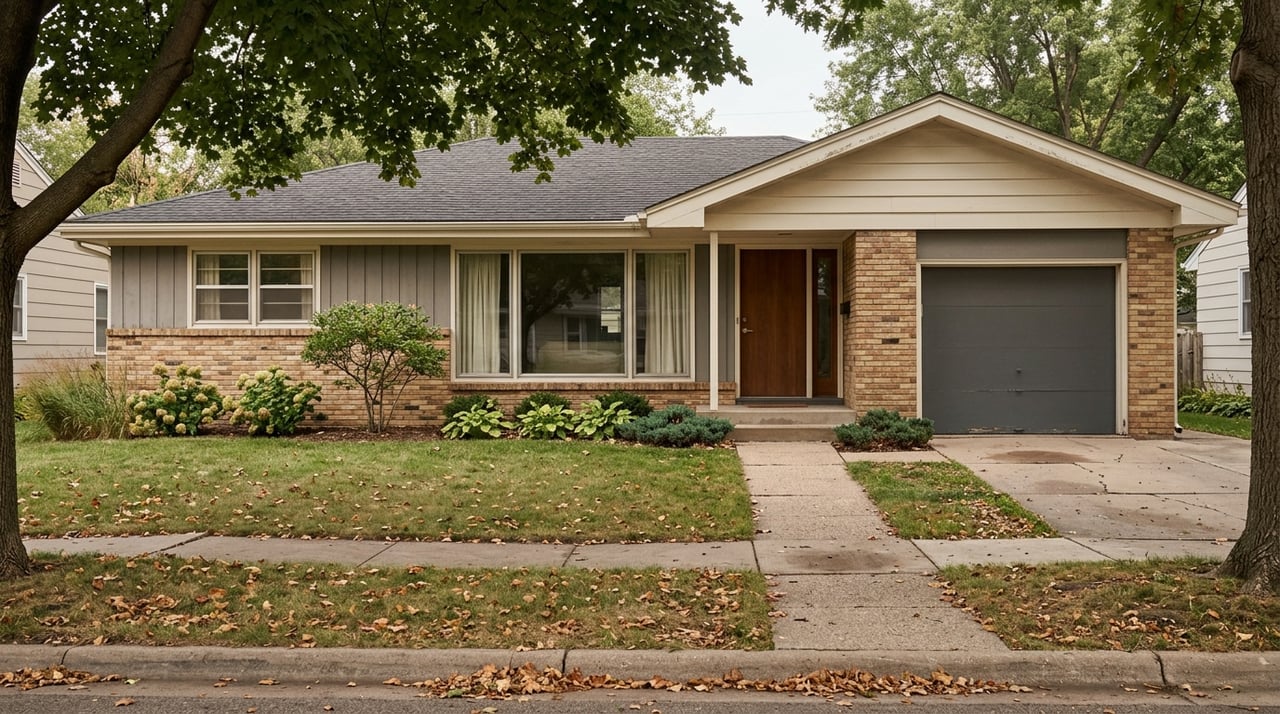
Wondering whether a Texa Tonka midcentury home is full of character, full of future potential, or both? If you are shopping in this part of St. Louis Park, you are likely looking at homes built in the 1950s that offer efficient layouts, big windows, and the kind of charm that still feels livable today. The key is knowing which original features are worth protecting, which updates improve daily comfort, and how to spot a house with room to grow. Let’s dive in.
Why Texa Tonka Feels So Midcentury
Texa Tonka sits in central St. Louis Park, bordered by Louisiana Avenue, Minnetonka Boulevard, the BNSF rail line, and the North Cedar Lake Regional Trail. The neighborhood commercial areas and the Texa-Tonka Shopping Center, which opened in 1951 and expanded in 1959, still help give the area a distinctly midcentury feel.
That local context matters when you start touring homes. St. Louis Park’s housing stock trends older, with a median year built of 1954, and much of the city’s single-family inventory was built before 1960. In practical terms, that means many Texa Tonka homes share similar bones, lot sizes, and layout patterns.
Expect 1950s Ramblers First
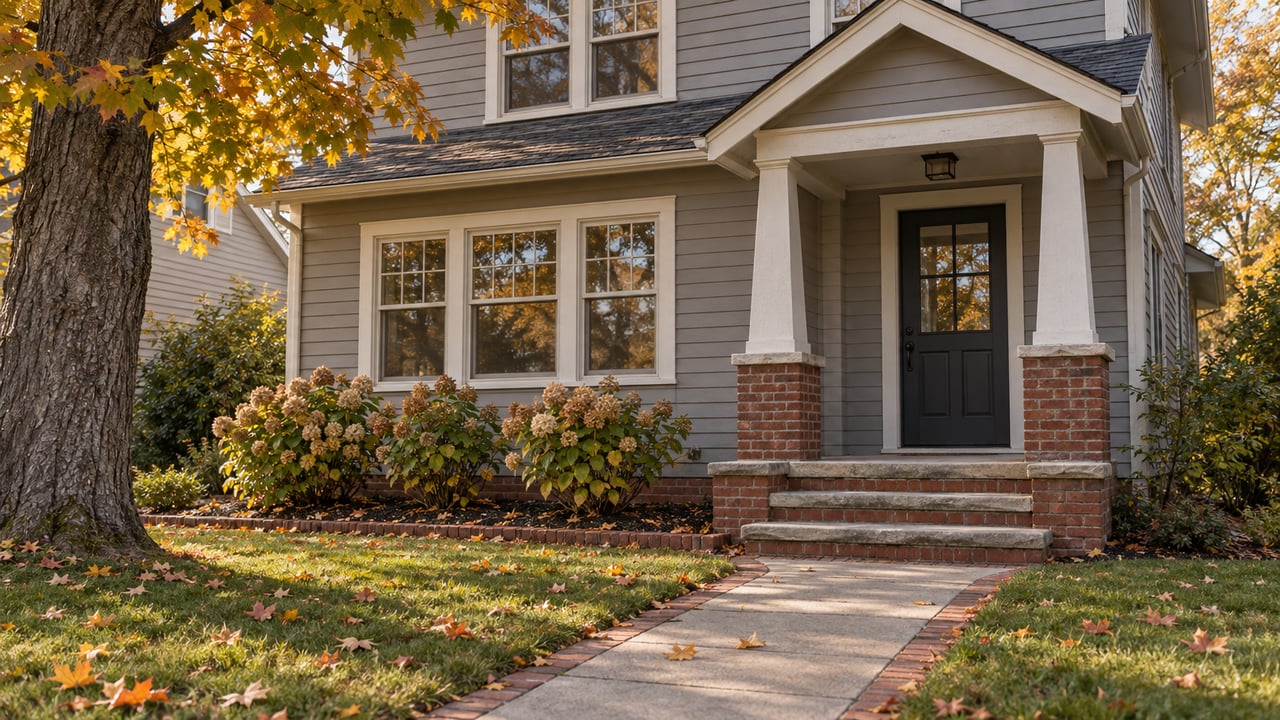
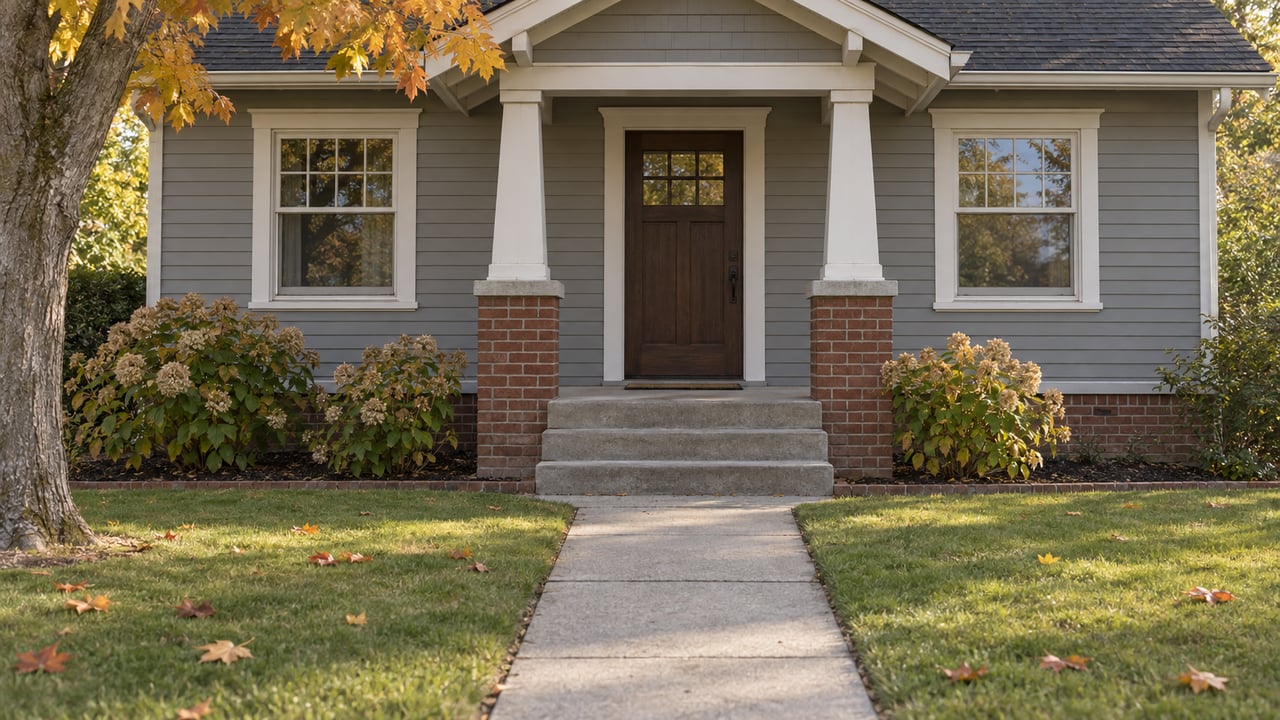
In Texa Tonka, the most common midcentury home you will likely see is the rambler. These are typically one-story homes with low-pitched roofs, simple rectangular or L-shaped plans, efficient use of space, and large windows that bring in natural light.
Many local examples from the neighborhood fall into a familiar range: roughly 1,300 to 1,900 square feet on lots around 0.14 to 0.19 acres. You will also often see detached garages, which fits the era and the neighborhood’s overall development pattern.
What a Rambler Usually Includes
A classic rambler often includes:
- One-level main living spaces
- A simple, functional floor plan
- Large windows
- Deep-set eaves
- Easy access to the backyard or patio
- Compact rooms that still feel practical
These homes usually do not feel oversized. Instead, they tend to work well because the layout is straightforward and the square footage is used efficiently.
Watch for Split-Level Options Too
While ramblers are the main event in Texa Tonka, you may also come across split-level homes. In this style, floor levels are staggered, which often creates a clearer separation between living spaces and private rooms.
A typical split-level may place the garage and bedrooms slightly above grade, while the entry, living room, kitchen, and dining areas sit a half-level below or on a different level. Lower levels often become family rooms, bonus rooms, or recreation spaces, which can make these homes appealing if you want extra flexibility.
Look for Original Details That Still Matter
Not every original feature adds equal value to your experience of the home. In Texa Tonka midcentury homes, the most meaningful details are often the ones that preserve the home’s light, proportions, and layout rather than purely decorative touches.
Buyers frequently respond to original hardwood floors, hardwoods across the main level, fireplaces, built-ins, and shelving. These details help a home keep its identity, even when kitchens, baths, or finishes have been updated over time.
Features Worth Preserving
When you tour a home, pay close attention to:
- Original hardwood floors
- Built-ins, shelving, or mantels
- Large windows
- Open sight lines for daylight
- Sliding doors or patio access
- Minimal trim details that fit the home’s era
If those features are intact, the home often feels more authentic and more balanced after updates.
Check Whether the Layout Still Works
One of the biggest things to look for is whether the original room flow still makes sense. Midcentury ramblers are valued for simple, efficient layouts, so heavy remodeling can sometimes hurt what made the house appealing in the first place.
If a previous owner closed off rooms, interrupted daylight, or created awkward circulation, the house may feel less functional even if the finishes look newer. A good update usually respects the original structure while making the space more comfortable for modern living.
Prioritize Comfort Updates That Add Daily Value
In Texa Tonka, many of the best updates are not flashy. They are the improvements that make an older home feel easier to live in year-round while keeping its midcentury character intact.
Common updates in local listings include new windows, furnaces, refreshed bathrooms, updated kitchens, newer trim and doors, better mudroom organization, and finished lower levels. Some homes also have improved indoor-outdoor flow with patio doors, decks, or more open main-floor layouts.
Updates That Usually Make Sense
The most practical upgrades often include:
- New windows
- Insulation improvements
- Furnace replacement
- Kitchen function updates
- Bathroom remodeling
- Basement finishing for added living space
These changes tend to improve comfort and usability without forcing the home to lose its original personality.
Think Beyond Cosmetics
A fresh kitchen is nice, but it should not be the only thing driving your decision. In a neighborhood with older housing stock, long-term value often comes from how well the home can support future improvements.
St. Louis Park notes that limited vacant land means future single-family supply will often come through teardowns, lot splits, repurposing, and additions. The housing study also points to ongoing demand for larger homes through additions, which makes expansion potential an important part of your evaluation.
What Signals Good Renovation Potential
As you compare homes, consider:
- Lot size
- Current home footprint
- Garage placement
- Setback flexibility
- Basement headroom
- Space for an addition or reworked entry
A home with average finishes but strong expansion potential may offer more long-term value than a fully polished home with limited flexibility.
Review Basement Potential Carefully
Lower levels matter in many Texa Tonka homes because they often hold the best opportunity for added living space. A finished family room, bonus room, or recreation area can make a modest rambler live much larger.
Still, you should look past paint and flooring. If the basement matters to your plans, pay attention to moisture issues, heat supply, headroom, and whether a future bedroom would require an egress window.
Verify Permits and Project History
With midcentury homes, it is smart to understand what work was done and whether it was properly permitted. St. Louis Park requires permits for roofing and siding, window and exterior door replacement, garage door replacement, many remodeling projects involving plumbing, electrical, or mechanical systems, insulation added to attics or walls, and basement finishing.
The city also says permit history can be researched through ePermits. That makes it easier to confirm major work and better understand whether updates were handled in line with local requirements.
Use City Resources to Plan Improvements
If you buy a Texa Tonka midcentury home, you are not on your own when planning updates. St. Louis Park offers home-improvement and energy programs that can support projects such as roof replacement, new windows, kitchen or bath remodeling, insulation, and furnace replacement.
The city also offers remodeling advisor visits and architect consultations for additions or significant remodels. If you are trying to balance preservation with smart upgrades, those resources can help you make better decisions before you start opening walls.
What Value Looks Like in Texa Tonka
In this neighborhood, value often comes down to balance. The strongest homes usually keep the original qualities that make midcentury design appealing while adding the upgrades that improve comfort, function, and future flexibility.
That means the best house for you may not be the one with the trendiest finishes. It may be the one with solid hardwood floors, strong natural light, a sensible rambler layout, documented updates, and a lot that gives you room to adapt over time.
If you want help evaluating Texa Tonka homes through both a buyer and long-term ownership lens, Doro Real Estate offers a concierge approach rooted in local Twin Cities market knowledge.
FAQs
What types of midcentury homes are most common in Texa Tonka?
- In Texa Tonka, you will most often find 1950s-era ramblers, with split-level homes appearing as a secondary option.
What original features should you look for in a Texa Tonka midcentury home?
- Focus on original hardwood floors, built-ins, fireplaces, large windows, and a layout that still preserves the home’s natural light and simple room flow.
What updates add the most comfort to a Texa Tonka midcentury home?
- Practical updates like new windows, insulation, furnace replacement, refreshed baths, better kitchen function, and finished lower levels usually add the most day-to-day value.
What should you check before finishing a basement in a Texa Tonka home?
- You should review moisture, headroom, heat supply, permit requirements, and whether a future bedroom would need an egress window.
How can you research past work on a Texa Tonka midcentury home?
- St. Louis Park says permit history can be researched through ePermits, which can help you verify updates like windows, roofing, siding, electrical, plumbing, and basement work.