If you are watching the Edina Country Club market, you already know it is not just another luxury neighborhood. This is a small, tightly defined historic district where architecture, preservation, and pricing all shape what buyers will pay and how sellers should position a home. In this overview, you will get a clear look at current pricing, market pace, housing types, and the local factors that matter most in Country Club. Let’s dive in.
Why Country Club Stands Apart
Country Club is one of Edina’s most distinctive residential areas because it combines luxury pricing with historic-district constraints. The City of Edina identifies it as a 14-block neighborhood bounded by Minnehaha Creek, Sunnyside Road, Arden Avenue, and West 50th Street, with about 555 dwellings and a city park.
That small footprint matters. Unlike larger luxury markets with more turnover and more varied product, Country Club has a finite housing supply and a strong architectural identity. For buyers, that can mean fewer opportunities. For sellers, it can mean a more selective audience that understands what makes the district special.
Historic District Status Shapes Value
Country Club was platted in 1924 by Thorpe Brothers Realty Company and was later added to the National Register of Historic Places in 1980. The City of Edina also created a heritage landmark overlay and a certificate-of-appropriateness review process for demolition, new construction, detached garages, and major street-facing facade changes.
This is one reason the neighborhood tends to hold a premium. City survey materials say 91% of the district’s homes were built between 1924 and 1944, and fewer than 5% of homes more than 50 years old have been torn down or altered so extensively that they no longer resemble the original structure. In practical terms, buyers are paying for scarcity, continuity, and a streetscape that has stayed remarkably intact.
Country Club Home Styles
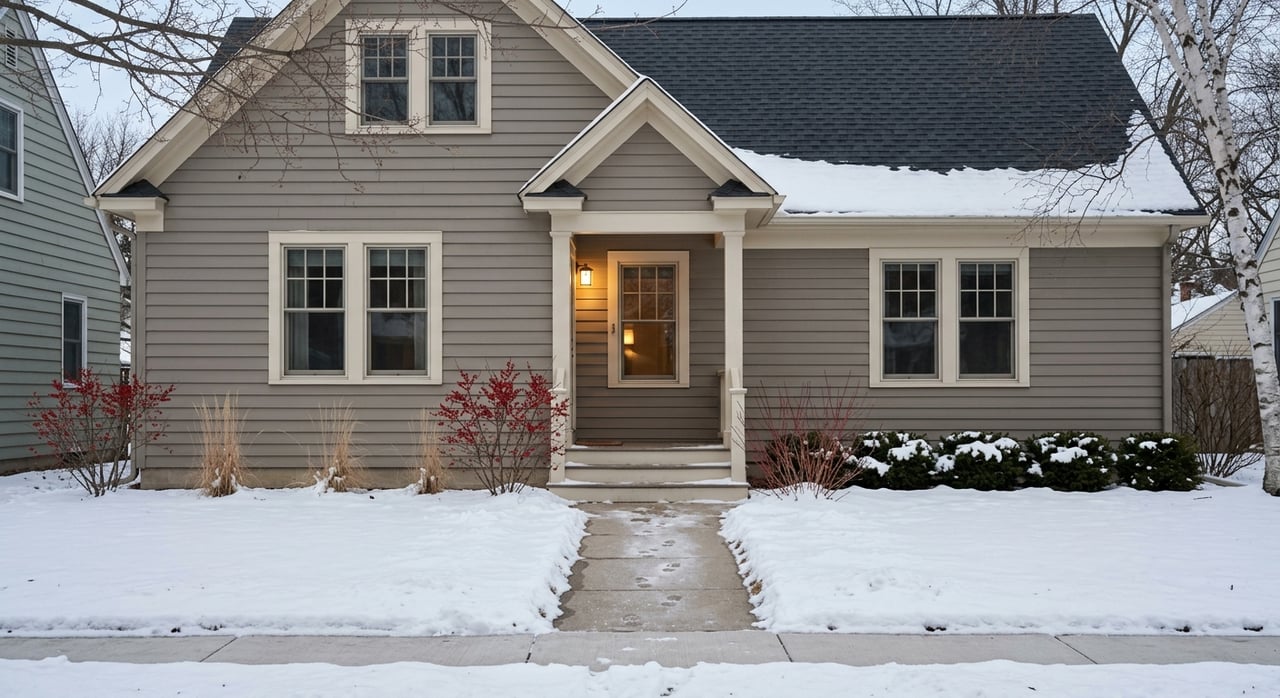
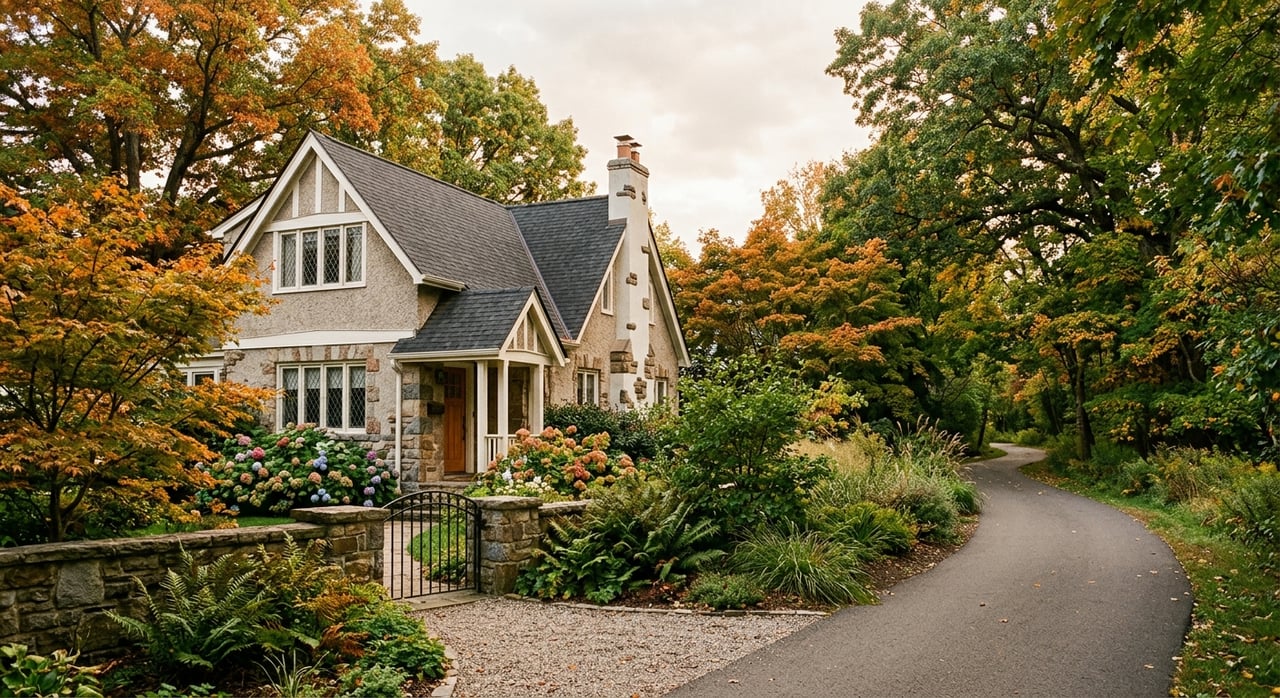
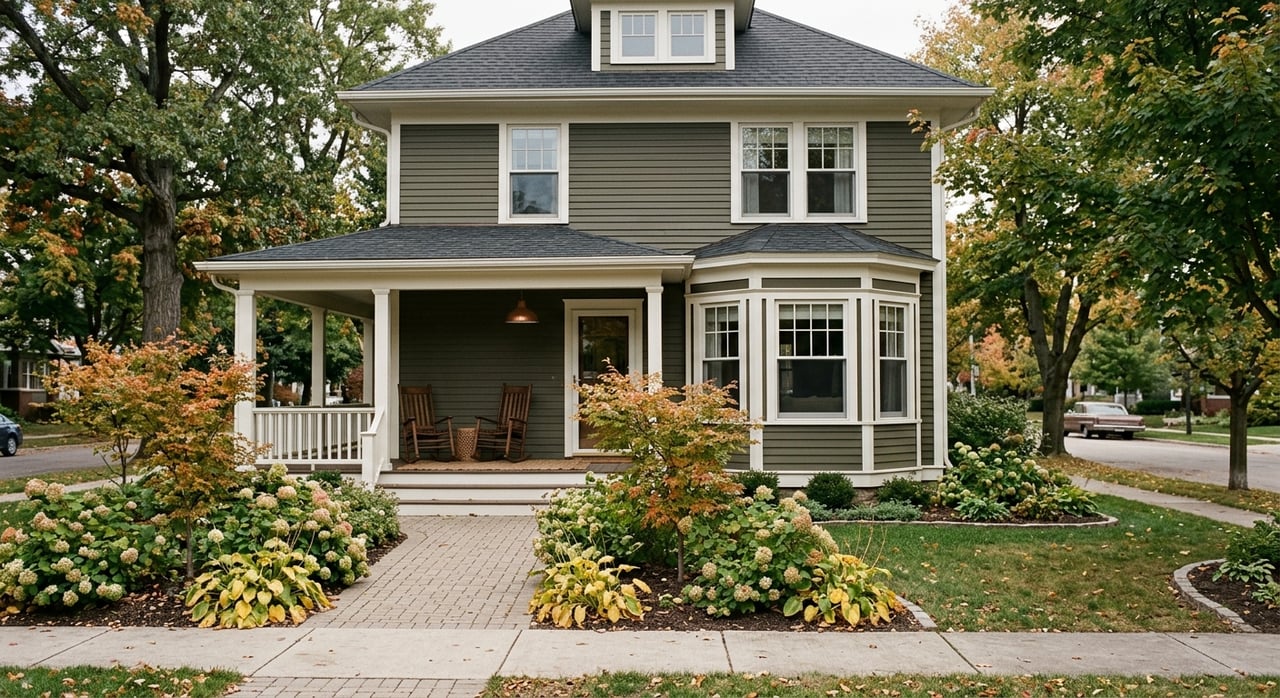
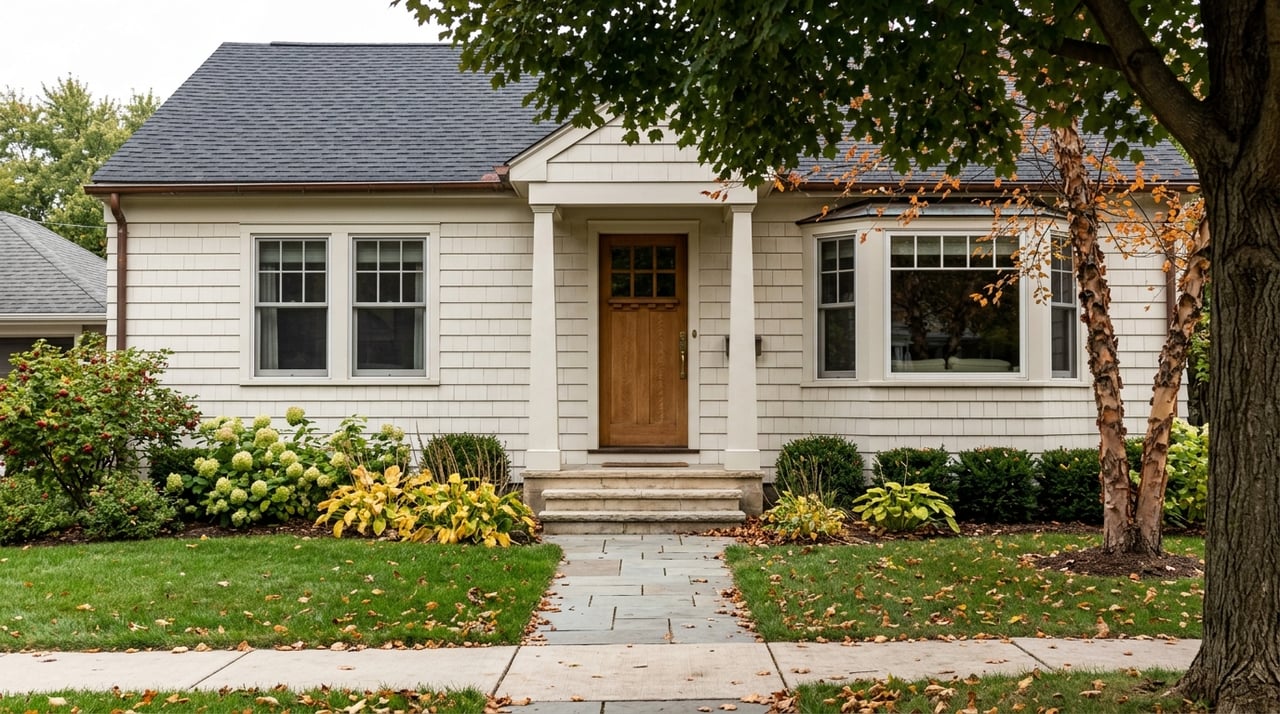
The neighborhood’s visual identity comes from period-revival architecture. City materials note original model homes in styles such as English Tudor, French Provincial, and American Colonial Revival, while preservation materials also describe Colonial Revival, English Tudor or English Cottage, and Mediterranean or Spanish Colonial as common throughout the district.
Most homes are not strict textbook examples of one style. Many blend original revival details with later additions or updates, which is common in a neighborhood with homes that have evolved over decades. That mix can work well when updates feel consistent with the original character.
What Buyers Notice First
In Country Club, curb appeal is about more than fresh paint or landscaping. Buyers often respond to whether a home reads as a coherent period property from the street.
According to the city’s treatment guidance, compatible size, scale, roof forms, materials, landscaping, and garage placement all matter. Traditional street-facing materials such as brick, stucco, stone, wood shakes, and half-timbering are preferred, while front-facing attached garages and visible mechanical equipment are discouraged.
Current Luxury Market Snapshot
As of Redfin’s March 2026 neighborhood snapshot, Country Club’s median sale price was $1.6 million, up 2.6% year over year. Homes sold after 8 days on the market on average, and Redfin’s 12-month competitive snapshot says average homes go pending in about 28 days and typically sell about 2% below list.
That is a fast-moving market by luxury standards, but it is still nuanced. Redfin also notes that hot homes can go pending in around 5 days, which shows how quickly well-positioned listings can attract attention.
Typical Price Bands in Country Club
Based on the current and recent listing examples in the research, the market appears to fall into a few practical pricing ranges:
- Around $900,000 and under for some attached product
- About $1 million to $1.5 million for renovated historic homes
- Roughly $1.8 million to $2.7 million or more for larger custom or newer homes
This is not a formal segmentation of the market. It is a practical read from sampled active and recent closed listings, which ranged from about $1.075 million to $2.351 million on recent sales and up to about $2.675 million on active offerings.
How Country Club Compares to Edina
Country Club operates at a very different price point than the broader Edina market. Edina’s April 2026 market update showed a median sales price of $705,000 and an average sales price of $898,008, with 84 days on market, 182 homes for sale, and 2.8 months of inventory.
Put simply, Country Club’s $1.6 million median is roughly 2.3 times Edina’s April median. It is not just a higher-end pocket of Edina. It is a distinct micro-market with its own buyer expectations, inventory profile, and pricing logic.
How It Compares to the Twin Cities
The gap is even wider when you compare Country Club to the broader metro. Minneapolis Area Realtors’ April 2026 indicators show the 16-county Twin Cities region at a $392,000 median sales price, while Redfin’s March 2026 pages place Hennepin County at $387,000, Minneapolis at $354,950, and Minnesota overall at $354,500.
That means Country Club’s median is roughly four times the metro, county, city, and statewide medians. For buyers, that confirms you are shopping in a true luxury niche. For sellers, it reinforces the importance of pricing and presentation that match the expectations of a high-value buyer pool.
Why the Numbers Need Context
One of the biggest mistakes in a neighborhood like Country Club is taking a single monthly headline at face value. This is a small market, and small markets can look more volatile than they really are.
Redfin’s March 2026 Country Club page showed only four closed sales that month. Recent sold homes ranged from 1 day to 201 days on market, with sale-to-list outcomes ranging from at list to 10% below list. That kind of spread tells you that one or two unusual properties can skew the monthly story.
What This Means for Sellers
If you are selling in Country Club, broad averages are helpful, but they are not enough. Buyers in this neighborhood tend to respond to the details, especially condition, architecture, renovation quality, and whether the home feels aligned with the district’s historic character.
Homes that present as well-maintained period properties are generally better aligned with buyer expectations and the city’s review framework. In a market like this, thoughtful preparation and sharp pricing often matter more than chasing the highest possible headline number.
What This Means for Buyers
If you are buying, speed matters, but so does discipline. A home that is beautifully updated and historically compatible may draw strong interest quickly, especially if it hits the market at a realistic price.
At the same time, not every listing will move the same way. The spread in days on market and sale-to-list outcomes suggests that buyers can still find opportunities when a property is overpriced, less polished, or more complicated from a design or approval standpoint.
Renovation Strategy Matters Here
Country Club is not a neighborhood where any remodel automatically adds value. The city’s preservation guidance makes clear that exterior changes should respect existing character, including massing, roof form, materials, landscaping, and garage placement.
That has real market implications. In many suburban luxury areas, buyers may reward bold contemporary updates. In Country Club, the district generally favors homes that feel architecturally consistent, especially from the street.
Features That Tend to Fit the District
Based on the city’s treatment guidance, buyers and sellers should pay close attention to features such as:
- Traditional exterior materials on street-facing facades
- Rooflines and scale that fit the original house
- Landscaping that complements the home’s period character
- Garage placement that does not dominate the front elevation
- Mechanical elements that are not highly visible from the street
For sellers planning improvements in the next 12 to 24 months, this is especially important. A renovation that feels compatible with the district may be better received than one that ignores the neighborhood’s historic framework.
What to Watch Next in Country Club
The most important thing to watch in Country Club is not just whether prices rise or fall in a given month. It is whether limited inventory, historic character, and buyer demand continue to support premiums for homes that are well located, well maintained, and thoughtfully updated.
Because the neighborhood is so small, each listing can influence perception. A standout sale can raise expectations, while one stale or overreaching listing can make the market look softer than it really is. That is why local interpretation matters so much in a micro-market like this.
If you are thinking about buying or selling in Country Club, the right strategy starts with understanding both the numbers and the neighborhood rules behind them. For tailored guidance on pricing, positioning, and navigating this unique Edina luxury market, connect with Doro Real Estate.
FAQs
What is the current median home price in Edina Country Club?
- Redfin’s March 2026 snapshot reported a median sale price of $1.6 million in Country Club.
How fast do homes sell in the Country Club neighborhood of Edina?
- Redfin reported homes sold after 8 days on average in March 2026, while its 12-month snapshot said average homes go pending in about 28 days.
Why is Country Club more expensive than the rest of Edina?
- Country Club combines a small housing supply, historic-district status, preserved architecture, and strong buyer demand, which helps support pricing well above Edina’s broader median.
What kinds of homes are common in Edina Country Club?
- The neighborhood is known for period-revival homes, including English Tudor, French Provincial, American Colonial Revival, English Cottage, and Mediterranean or Spanish Colonial influences.
Do renovation rules affect home value in Country Club?
- Yes. The City of Edina reviews certain exterior changes, and homes that remain compatible with the district’s historic character are generally better aligned with buyer expectations.
Is Country Club a large housing market?
- No. It is a small micro-market with about 555 dwellings, which means monthly market data can swing more sharply than in larger neighborhoods.